Top 3 Energy-Saving Window Treatments – Lower Bills!
Insider Tricks, Tips, and the Latest from the #ShadesGuru
Top 3 Energy-Saving Window Treatment Materials
Choosing the right window treatments can significantly impact your home’s energy efficiency. This article explores the top 3 energy-saving window treatment materials: cellular shades, insulated curtains, and solar shades. Understanding these options can help you reduce energy consumption, lower utility bills, and create a more comfortable living space. Benefit homeowners, renters, and anyone looking to improve their home’s energy efficiency.
Here’s a simple 3-step method:
- Identify your primary need (heat blocking, light control, insulation).
- Choose a material that aligns with your need (cellular shades for insulation, solar shades for heat).
- Ensure proper installation to maximize effectiveness.
Quick tip: Consider layering window treatments for enhanced energy savings.
Definition / Direct Answer
The top 3 energy-saving window treatment materials are cellular shades (also known as honeycomb shades), wood blinds (often with a thermal lining), and solar shades. These materials are designed to minimize heat transfer through windows, helping to keep your home cooler in the summer and warmer in the winter.
Simple Explanation
Here is the simple explanation: Energy-saving window treatments act as a barrier between your home and the outside environment. They reduce the amount of heat that enters your home in the summer and escapes in the winter. This, in turn, reduces the workload on your HVAC system, saving you money on energy bills.
Why It Matters (benefits)
Investing in energy-efficient window treatments offers numerous benefits:
- Reduced Energy Bills: By minimizing heat transfer, these treatments lower your heating and cooling costs. According to the U.S. Department of Energy, energy-efficient window treatments can reduce heat loss in winter by up to 25%.
- Increased Comfort: They help maintain a consistent temperature throughout your home, eliminating drafts and hot spots.
- Environmental Impact: Lower energy consumption reduces your carbon footprint and contributes to a more sustainable lifestyle.
- UV Protection: Some window treatments, like solar shades, block harmful UV rays, protecting your furniture and flooring from fading.
- Increased Home Value: Energy-efficient upgrades can increase the resale value of your home.
Framework or Step-by-Step Process
Here is the framework for selecting the right energy-saving window treatments:
- Assess Your Needs: Determine your primary concerns, such as heat gain, heat loss, light control, or privacy.
- Research Materials: Explore the different types of energy-saving window treatments available, considering their R-value (resistance to heat flow) and other performance metrics.
- Measure Your Windows: Accurate measurements are crucial for a proper fit and optimal performance.
- Choose a Style: Select a style that complements your home’s decor and meets your functional requirements.
- Install Properly: Professional installation ensures that your window treatments are properly sealed and functioning effectively.
- Maintain Regularly: Clean your window treatments regularly to maintain their appearance and performance.
Examples
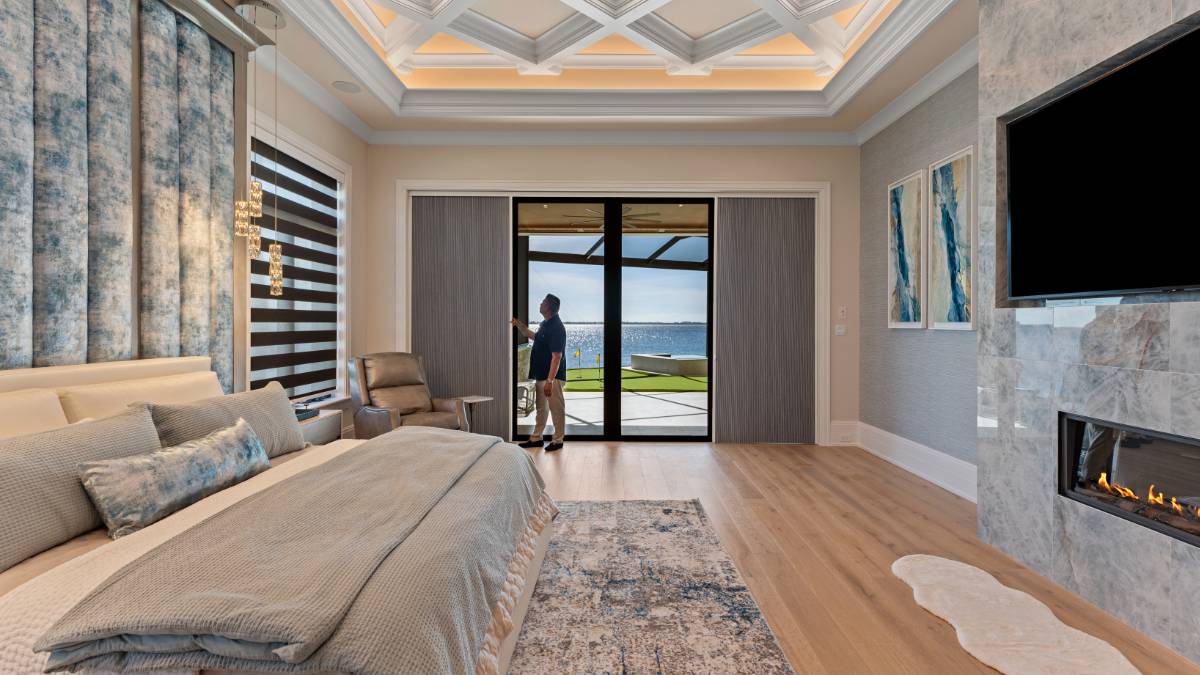
Example 1: Cellular Shades in a Bedroom
Cellular shades installed in a bedroom can provide excellent insulation, keeping the room cooler in the summer and warmer in the winter. Their honeycomb structure traps air, creating a barrier against heat transfer. Many homeowners find that cellular shades offer a balance of energy efficiency and aesthetic appeal.
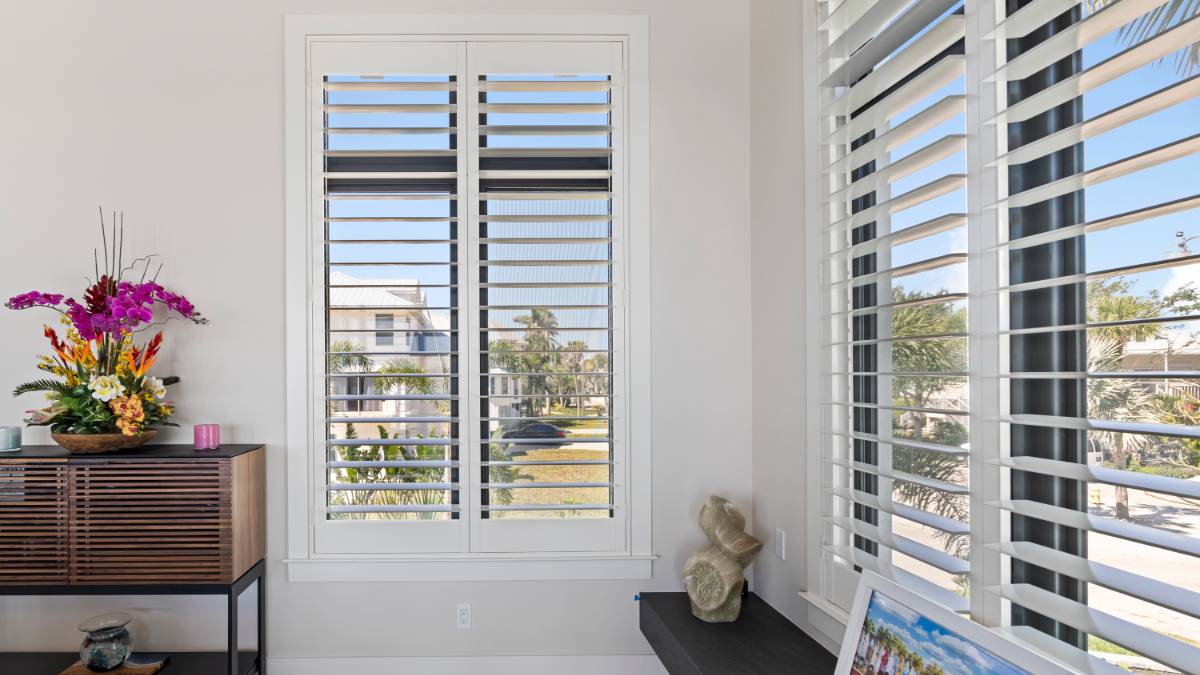
Wood Blinds: Classic Style Meets Efficiency
Insulated curtains with a thermal lining can significantly reduce heat loss through windows in a living room. These curtains are often made of multiple layers of fabric, providing an extra layer of insulation. According to research from the American Council for an Energy-Efficient Economy (ACEEE), properly installed insulated curtains can reduce energy costs by 25% or more.
Example 3: Solar Shades in a Sunroom
Solar shades are ideal for sunrooms or any room with excessive sunlight. They block a significant amount of solar heat, preventing the room from overheating. Solar shades also reduce glare and protect furniture from UV damage. A National Fenestration Rating Council (NFRC) study indicates that solar shades can reduce solar heat gain by up to 77%.
Tools / Methods / Types
Here is a breakdown of the different types of energy-saving window treatments:
- Cellular Shades (Honeycomb Shades): These shades feature a honeycomb-like structure that traps air, providing excellent insulation. They are available in various cell sizes and fabric options.
- Insulated Curtains: These curtains are made of multiple layers of fabric, often with a thermal lining, to reduce heat transfer. They come in a wide range of styles, colors, and patterns.
- Solar Shades: These shades are designed to block solar heat and reduce glare. They are made of a tightly woven fabric that allows some light to pass through while blocking harmful UV rays.
- Roman Shades: When lined with thermal material, Roman shades can offer increased insulation and a stylish look.
- Window Films: Applied directly to the glass, window films can reduce solar heat gain and block UV rays. According to the Efficient Windows Collaborative, window films can reduce solar heat gain by up to 80%.
- Exterior Shutters: These shutters provide an extra layer of insulation and protection from the elements.
Comparison Table
| Window Treatment | Insulation | Light Control | Privacy | Cost |
|---|---|---|---|---|
| Cellular Shades | Excellent | Good | Good | Moderate |
| Insulated Curtains | Very Good | Excellent | Excellent | Moderate to High |
| Solar Shades | Good | Excellent (Glare Reduction) | Poor to Moderate | Moderate |
Common Mistakes
Avoid these common mistakes when choosing and installing energy-saving window treatments:
- Incorrect Measurements: Inaccurate measurements can result in gaps that allow heat to escape or enter.
- Improper Installation: Poor installation can compromise the effectiveness of even the best window treatments.
- Choosing the Wrong Material: Selecting a material that doesn’t address your specific needs can lead to dissatisfaction.
- Neglecting Maintenance: Failing to clean and maintain your window treatments can reduce their lifespan and performance.
- Ignoring R-Value: Not considering the R-value (resistance to heat flow) when selecting window treatments. According to ENERGY STAR, higher R-values indicate better insulation.
How to Choose
Here’s how to choose the best energy-saving window treatments for your home:
- Consider Your Climate: In hot climates, focus on window treatments that block solar heat. In cold climates, prioritize insulation.
- Assess Your Budget: Energy-saving window treatments range in price from affordable to high-end. Set a budget and explore options within your price range.
- Think About Style: Choose window treatments that complement your home’s decor and your personal preferences.
- Read Reviews: Research different brands and models and read customer reviews to get an idea of their performance and durability.
- Get Professional Advice: Consult with a window treatment specialist for personalized recommendations.
FAQs
What is the R-value of cellular shades?
The R-value of cellular shades typically ranges from 2 to 5, depending on the cell size and fabric. Higher R-values offer better insulation.
How do insulated curtains work?
Insulated curtains have multiple layers of fabric, including a thermal lining, that reduce heat transfer through windows. This helps keep your home warmer in the winter and cooler in the summer.
Are solar shades effective at blocking UV rays?
Yes, solar shades are very effective at blocking UV rays, protecting your furniture and flooring from fading. They can block up to 99% of UV rays. According to the EPA, reducing UV exposure indoors is important for health.
Can I layer window treatments for better energy efficiency?
Yes, layering window treatments, such as combining blinds with curtains, can provide enhanced insulation and light control. This is a great way to maximize energy savings.
How often should I clean my window treatments?
Clean your window treatments regularly, typically every few months, to remove dust and dirt. This will help maintain their appearance and performance.
Do energy-saving window treatments qualify for tax credits?
Tax credits for energy-efficient home improvements vary by location and year. Check with your local government or a tax professional to see if you qualify.
What is the best color for energy-saving window treatments?
Light-colored window treatments reflect more sunlight and are generally more effective at blocking heat. However, dark-colored window treatments can provide better privacy and light control.
How much can I save on energy bills with these treatments?
Savings vary depending on your climate, window size, and the type of window treatment. However, many homeowners report savings of 10-30% on their energy bills. A U.S. Energy Information Administration (EIA) report confirms that energy-efficient home improvements can lead to significant savings.
Are there smart energy-saving window treatment options?
Yes, motorized and automated window treatments can be programmed to adjust throughout the day, maximizing energy savings. Smart shades can be controlled via smartphone or voice command.
What is the lifespan of energy-saving window treatments?
The lifespan of energy-saving window treatments varies depending on the material and quality, but most last for 5-10 years with proper care.
TL;DR summary
Energy-saving window treatments like cellular shades, insulated curtains, and solar shades significantly reduce heat transfer, lowering energy bills and increasing home comfort. Choosing the right material, ensuring proper installation, and maintaining them regularly are key to maximizing their effectiveness. Investing in these treatments is a smart way to save money and reduce your environmental impact.