Blinds vs. Shades: Which Window Treatment is Right for You?
Insider Tricks, Tips, and the Latest from the #ShadesGuru
Blinds vs Shades: Choosing the Perfect Window Treatment
Are you caught in the age-old debate of blinds vs shades? A significant portion of a home’s energy, roughly 25% to 30%, is lost or gained through windows. Selecting the right window treatments is crucial for both energy efficiency and aesthetic appeal. This guide dives deep into the world of blinds vs shades, helping you determine the ideal choice for your home, considering factors like light control, privacy, style, and budget. We’ll also explore related options like shutters and window screens to provide a comprehensive overview.
Understanding the Key Differences: Blinds vs Shades
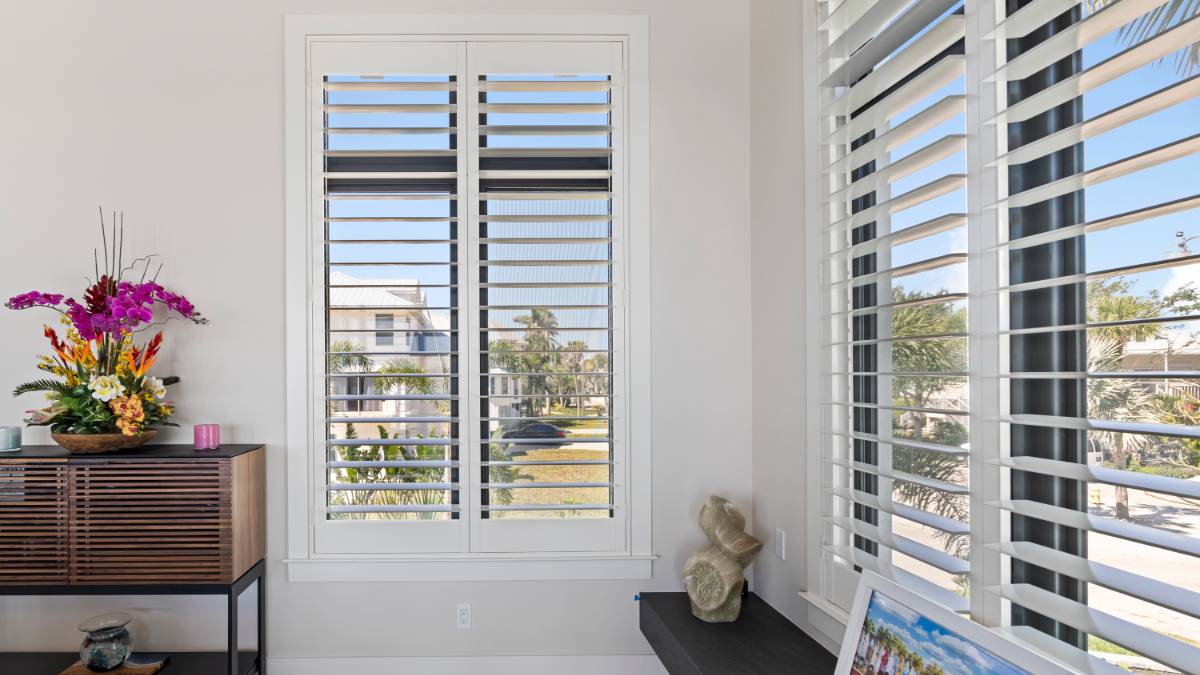
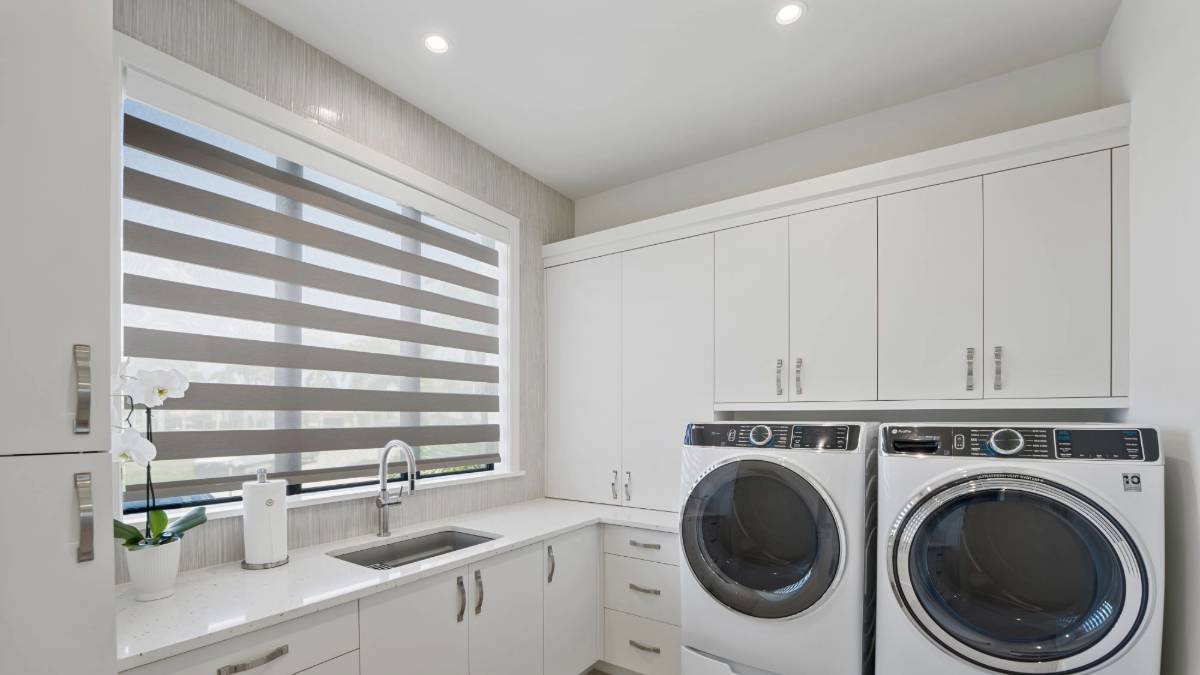
Window blinds are characterized by their rigid structure, typically featuring adjustable slats made of wood, metal, or faux wood. These slats can be tilted to control the amount of light entering a room and provide varying degrees of privacy. Window shades, on the other hand, consist of a single piece of fabric that is raised or lowered to cover the window. They offer a softer, more uniform appearance.
Light Control: Blinds Offer Precision
When it comes to precise light control, blinds excel. The adjustable slats allow you to fine-tune the amount of light entering the room, from full sunlight to near darkness. This makes them ideal for bedrooms, home theaters, or any space where you need to manage light levels effectively. Shades provide light control based on the fabric’s opacity. Sheer shades filter light, while blackout shades block it completely. However, shades lack the granular control offered by blinds.
Privacy Considerations: Which Offers More?
Both blinds vs shades offer privacy, but achieve it differently. When closed, blinds create a barrier that prevents outsiders from seeing into your home. However, small gaps between the slats may allow some visibility, especially at night. Shades, when fully lowered, provide complete privacy with no gaps. The thickness and weave of the fabric also contribute to the level of privacy offered. Thicker fabrics provide greater privacy than thinner ones.
Style and Aesthetics: Matching Your Decor
Blinds often convey a more formal and structured aesthetic. Venetian blinds, with their classic design, complement a variety of interior styles. Shades tend to offer a softer and more contemporary look. Options like roller shades, Roman shades, and cellular shades (also known as honeycomb shades) come in a wide range of colors, patterns, and textures, allowing for greater creative expression. Consider the overall mood and style of your room when choosing between blinds vs shades. Interior designers often use shades to add a pop of color or texture to a room.
Energy Efficiency: Saving on Utility Bills
Both blinds and shades can contribute to energy savings. Blinds can reflect sunlight, helping to keep your home cooler in the summer. Lighter colors are more effective at reflecting sunlight than darker colors. Shades, particularly cellular shades, provide insulation by trapping air in their honeycomb-shaped pockets. This creates a barrier that reduces heat transfer, leading to lower energy bills. Consider adding thermal linings to your shades for even greater energy efficiency.
Durability and Maintenance: Long-Term Value
Blinds made of metal or real wood are generally durable and easy to maintain. Regular dusting or wiping with a damp cloth is usually sufficient. Plastic blinds may be less durable and prone to cracking over time. Shades can be more challenging to clean, depending on the fabric. Some can be vacuumed or spot-cleaned, while others may require professional cleaning. Consider the maintenance requirements when choosing between blinds vs shades. Proper care will extend the lifespan of your window treatments.
Cost Comparison: Budget-Friendly Options
The cost of blinds vs shades varies depending on materials, size, and features. Blinds are often more affordable than custom shades. Basic vinyl or aluminum blinds are typically the most budget-friendly option. Custom shades, especially those made with high-end fabrics or equipped with motorized features, can be significantly more expensive. Remember to factor in installation costs when comparing the overall price of blinds vs shades.
Installation: DIY or Professional?
You can install blinds or shades yourself, or hire a professional installer. Installing blinds typically involves attaching brackets and securing the headrail. Accurate measurements are essential for a proper fit. Installing shades is similar, but some designs, such as cellular shades, may require even more precise measurements. Professional installation ensures that your blinds vs shades are installed correctly and function smoothly, avoiding potential issues down the line.
Room-Specific Recommendations: Choosing Wisely
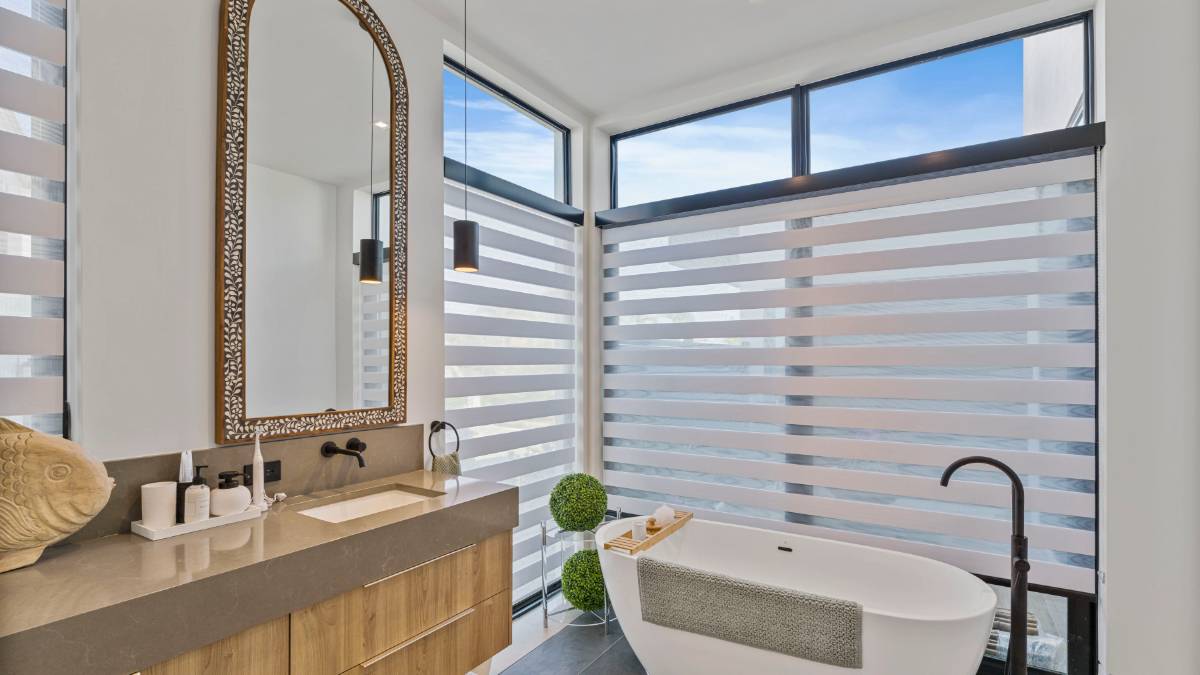
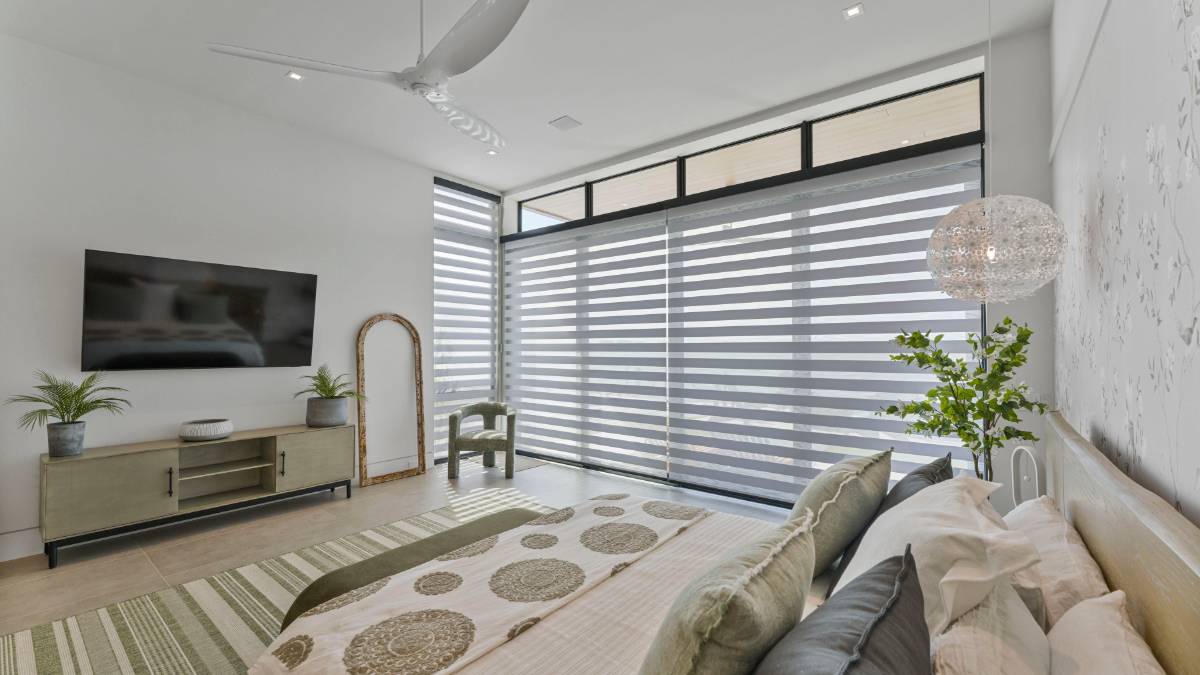
The best choice between blinds vs shades often depends on the specific room. For bedrooms, blackout shades or room darkening blinds are ideal for creating a dark and restful environment. In living rooms, light-filtering shades or stylish blinds can enhance the overall ambiance. For kitchens and bathrooms, moisture-resistant blinds or shades are recommended. Consider the function and conditions of each room when making your decision.
Exploring Different Types of Blinds
The world of window blinds offers a variety of styles, each with its own unique advantages. Venetian blinds provide excellent light control and privacy. Vertical blinds are well-suited for large windows and sliding glass doors. Mini blinds are a compact version of venetian blinds. Faux wood blinds offer the look of real wood with increased durability and moisture resistance. Consider the style and functionality of your room when selecting blinds.
Exploring Different Types of Shades
Window shades also come in a wide array of designs, each offering a distinct look and feel. Roller shades are simple and versatile, rolling up and down easily. Roman shades create elegant folds as they are raised. Cellular shades provide superior insulation. Sheer shades diffuse light while maintaining privacy. Blackout shades block light completely. Evaluate your needs for light control, privacy, and insulation when choosing shades.
Automation and Smart Features: Modern Convenience
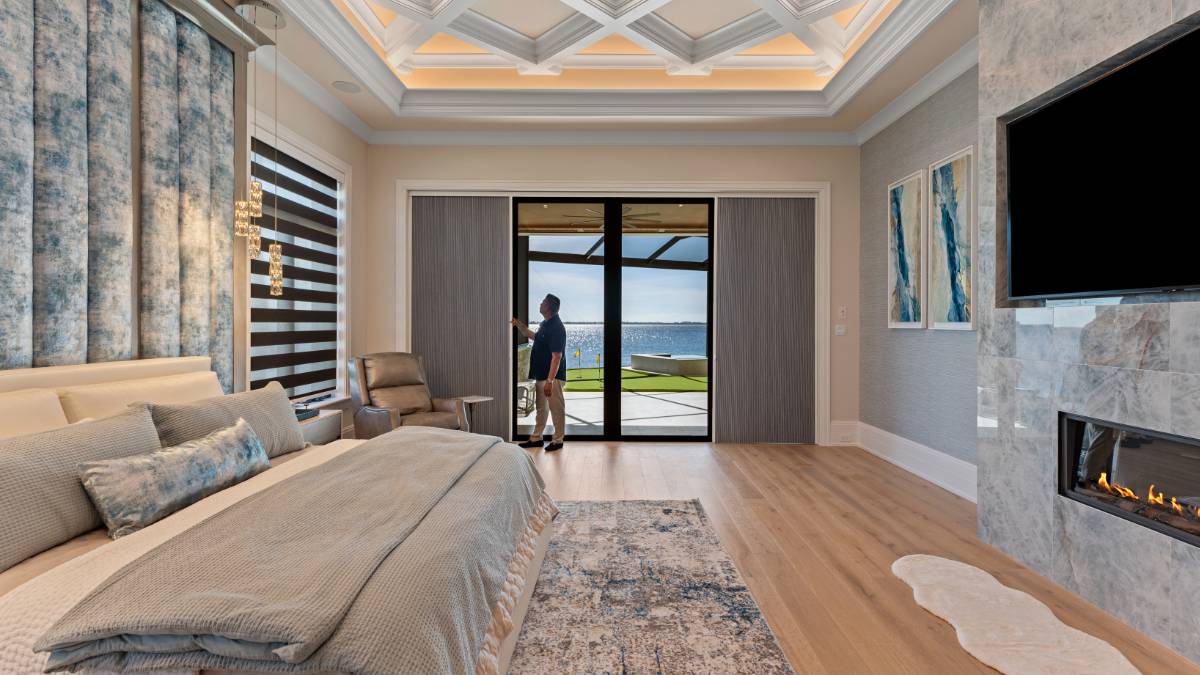
Both blinds and shades can be automated, adding convenience and enhancing energy efficiency. Motorized blinds and shades can be controlled via remote, smartphone app, or voice command. Adjust your window coverings from anywhere in the room, or even when you’re away. Automated blinds vs shades can also be programmed to open and close at specific times, helping to regulate temperature and save energy. Smart technology adds a new level of ease and control to your window treatments. Consider integrating your window coverings with your smart home system for seamless automation.
Conclusion: Making the Right Choice for Your Home
Deciding between blinds vs shades requires careful consideration of several factors, including light control, privacy, style, energy efficiency, and cost. Blinds offer precise light control and a structured look, while shades provide a softer aesthetic and a wider range of design options. By understanding your needs and preferences, you can make the best choice for your home and enjoy the benefits of beautiful and functional window treatments. Don’t forget to explore other options like curtains and drapes to complete your window decor.