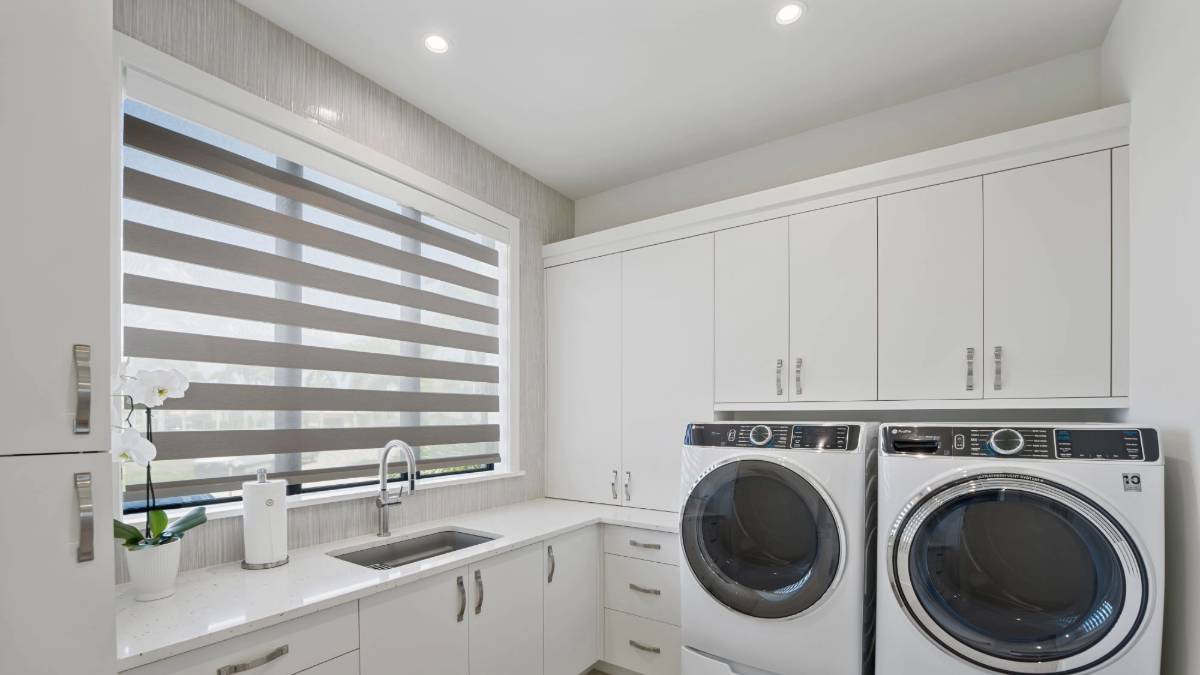
Automated Window Treatments: Smart Home Integration and Benefits
Insider Tricks, Tips, and the Latest from the Window Treatment Industry in Southwest Florida
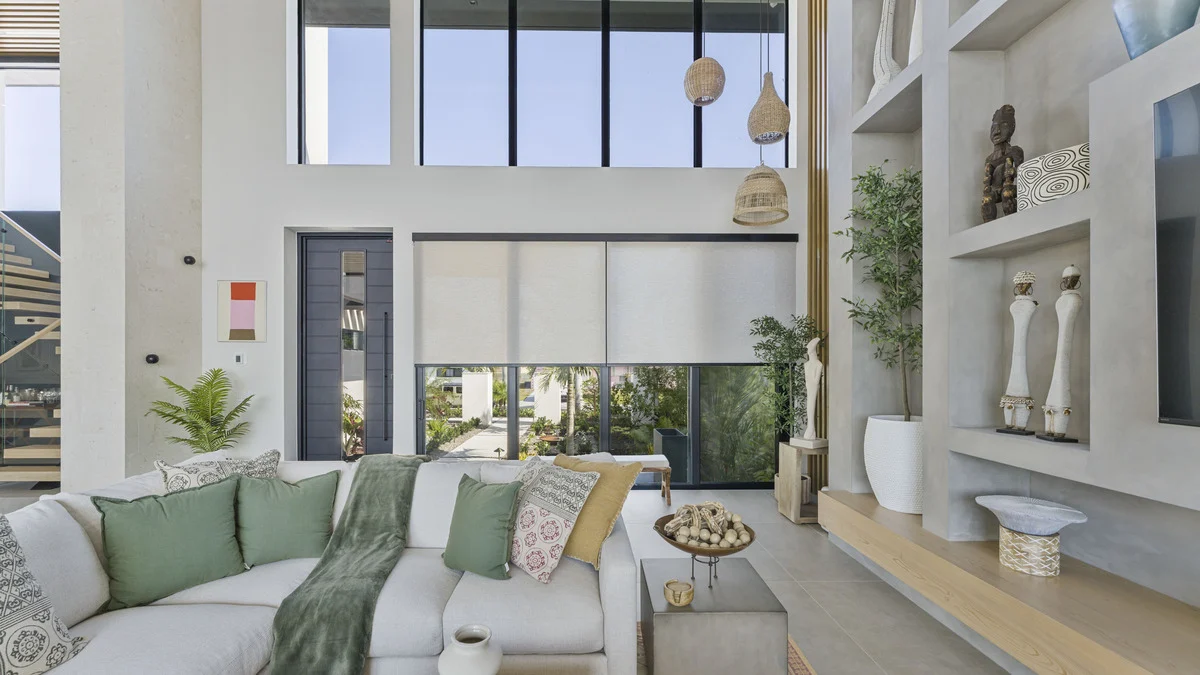
Discover Smart Window Treatments
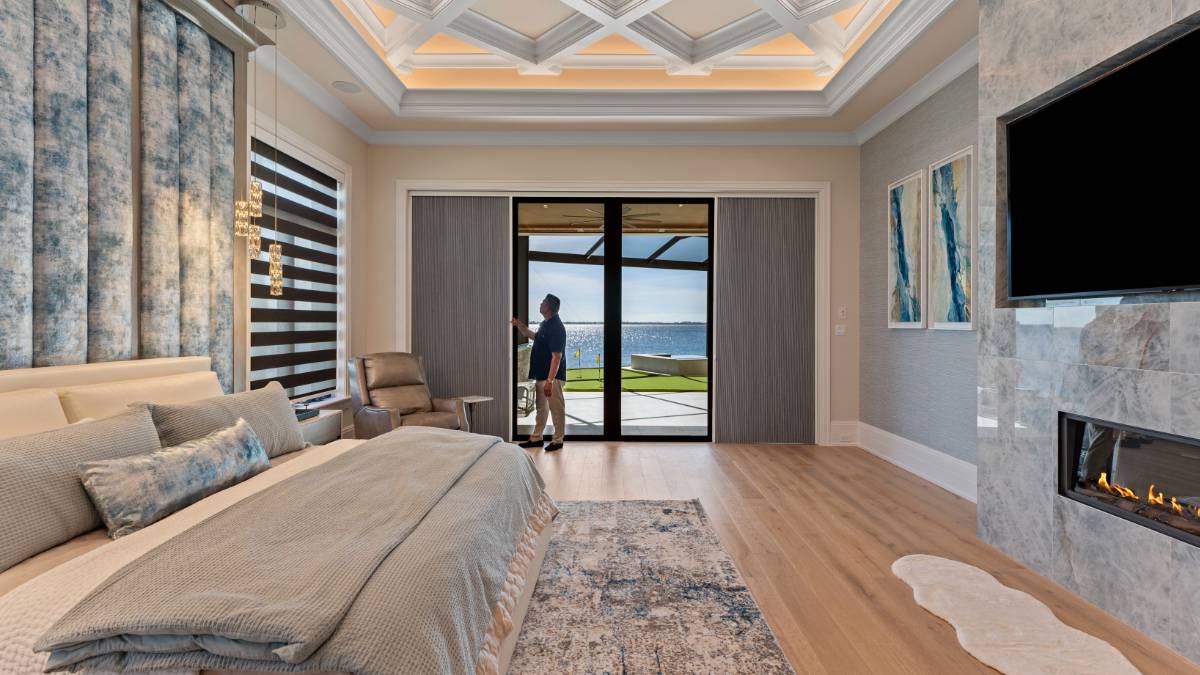
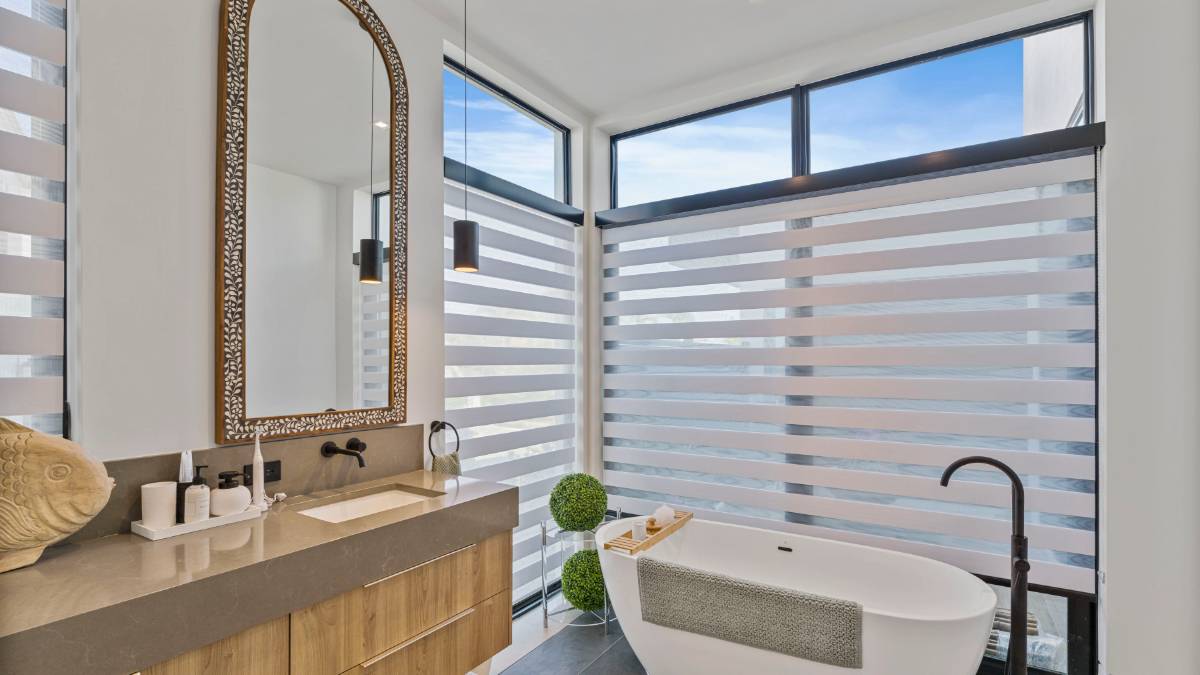
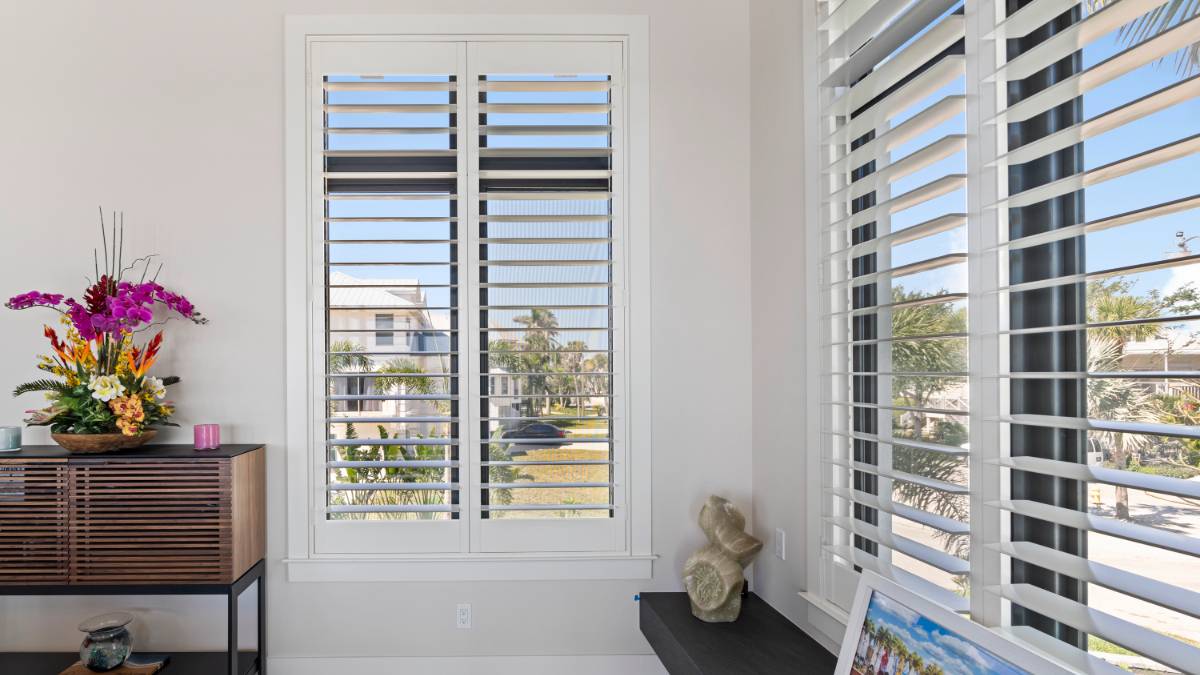
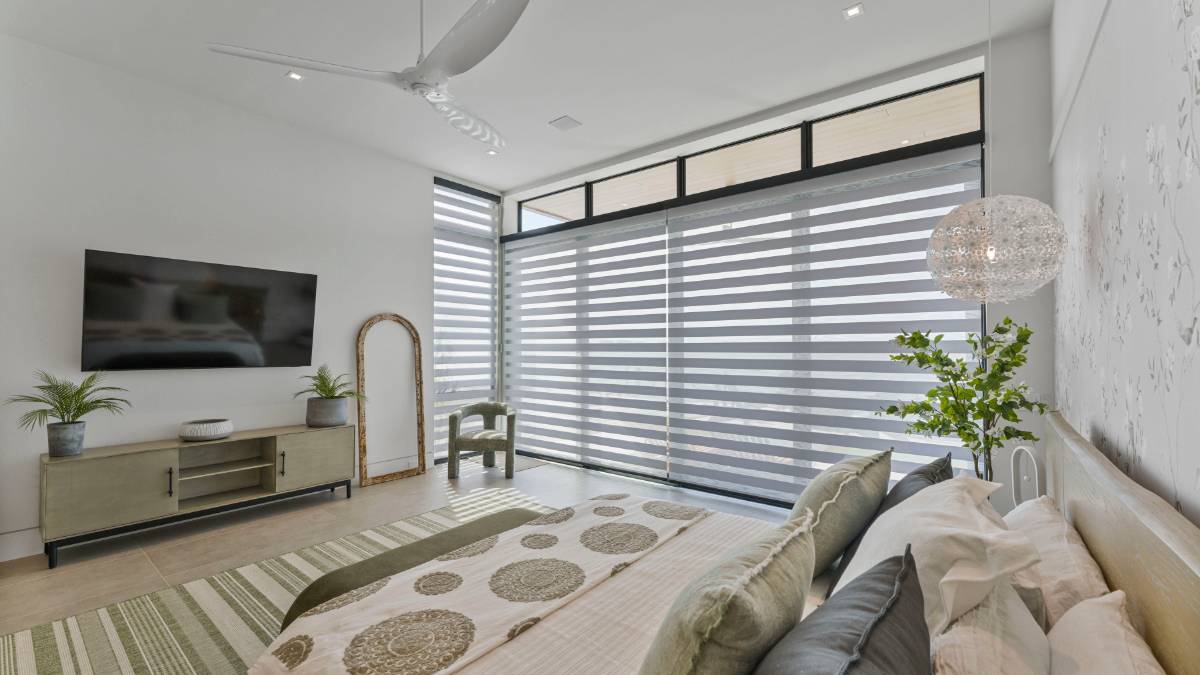
Smart window treatments can make everyday light and privacy control easier. Depending on the selected motor, controller and integration, automated shades may support schedules, room groups or voice commands. For Southwest Florida homes, start with the opening, treatment and power requirements, then confirm the functions the proposed equipment supports.
Understanding Smart Window Treatments
Smart window treatments represent a significant advancement in home automation. They encompass a range of products, including automated shades, blinds, and curtains, all designed to be controlled remotely or automatically. These systems integrate seamlessly with existing smart home technology setups, offering unparalleled convenience and control over your home’s lighting and privacy. The core concept revolves around motorized systems that react to programmed schedules, sensor data, or direct commands from a device or voice assistant.
Unlike traditional window coverings, smart window treatments offer precision and customization. You can program them to raise and lower at specific times, adjust with the sun’s path, or even react to ambient temperature changes. This level of automation not only simplifies daily life but also enhances noticeable energy efficiency.
Seamless Smart Home Integration of Automatic Blinds
Some motorized shades can connect to Amazon Alexa, Google Home, Control4 or other home-control platforms through compatible equipment. Confirm the exact motor, controller, gateway and supported commands before ordering. Compatibility with one platform or product family does not establish compatibility with every system.
Smart window treatments can be programmed to interact with other devices. For example, you could create a scene where the lights dim, the thermostat adjusts, and the shades close automatically when you start a movie. Furthermore, sensors can trigger actions based on conditions. A sunlight sensor might automatically lower the shades on a hot day to prevent overheating and protect furniture from UV damage. The possibilities are vast, limited only by your smart home technology setup’s capabilities.
Key Benefits of Smart Window Treatments
Window automation offers numerous advantages that extend beyond mere convenience. One primary benefit is improved energy efficiency. By automatically responding to the sun’s path, automated shades can help maintain consistent indoor temperatures, reducing the need for excessive heating or cooling. This, in turn, leads to lower energy bills and a reduced carbon footprint.
Scheduled shade movement can support a lived-in appearance while you are away. Remote access depends on the selected system and connectivity. Window treatments provide privacy; they do not replace locks, alarms or a home-security system.
Furthermore, window automation enhances privacy. With a touch, you can completely close your shades, shielding your home from prying eyes. This is especially useful in urban areas or homes close to neighbors.
Energy Efficiency with Smart Window Treatments
As mentioned earlier, energy efficiency is a major draw for smart window treatments. The ability to automatically control the amount of sunlight entering your home can significantly impact your energy consumption. During the warmer months, closing the shades during the hottest part of the day can prevent your home from overheating, reducing the strain on your cooling system. In the colder months, raising the shades to allow sunlight can help warm your home, decreasing the need for heating.
The energy efficiency benefits of smart window treatments extend beyond just temperature control. By reducing the amount of sunlight entering your home, you can also protect your furniture, carpets, and artwork from fading caused by UV exposure. This can save money long-term by preventing costly replacements.
Ask which sensors, schedules and integrations the selected equipment supports. Do not assume a motorized shade measures energy use or responds to weather without the required controls. Energy results vary with the glazing, covering, climate and how the shades are used.
Choosing the Right Smart Window Treatments for Your Home
Selecting the right automated shades for your home requires careful consideration of several factors. First, you must identify your individual needs and priorities. Do you value energy efficiency, security, or convenience most? Do you have existing smart home technology devices that you want to integrate with your new window treatments?
Once you have a clear understanding of your needs, you can begin exploring the different types of automated shades available. Options range from basic motorized shades to sophisticated systems with features like sunlight sensors and voice control. Consider your home’s style and layout when making your decision. Choose shades that complement your existing decor and enhance the overall aesthetic appeal of your living space.
Another key factor to consider is the power source. Automated shades can be powered by batteries, solar panels, or hardwiring. Battery-powered shades are easy to install but require regular battery replacements. Solar-powered shades are a more eco-friendly option but may not be suitable for all locations. Hardwired shades offer the most reliable power source but require professional installation.
Installation and Maintenance of Smart Window Treatments
The installation of smart window treatments can range from a simple DIY task to a more complex project requiring professional assistance. Battery-powered and solar-powered shades are generally easier to install yourself, while hardwired shades often require the expertise of a licensed electrician. Before you begin the installation, carefully read the manufacturer’s instructions and gather all the necessary tools and materials.
Proper maintenance is essential to ensure the longevity and performance of your smart window treatments. Regularly clean the shades with a soft cloth or vacuum to remove dust and debris. Avoid using harsh chemicals or abrasive cleaners, as these can damage the material or motor. Check the batteries regularly and replace them as needed. If you notice any signs of malfunction, such as slow or erratic movement, contact a qualified technician for repair.
For systems integrated with a smart home technology hub, ensure the software is regularly updated. Many manufacturers release updates that improve performance, add new features, and address security vulnerabilities.
Privacy Routines and Smart Controls
Schedules can lower compatible shades in the evening or group several openings into a privacy routine. Confirm local controls, remote access and behavior during internet, network or power interruptions using the selected equipment’s instructions. Shade movement does not secure an entry point, detect an intruder or alert authorities by itself.
The Future of Smart Window Treatments
The field of smart window treatments continues to evolve, with new technologies and concepts emerging constantly. One of the most promising trends is the integration of artificial intelligence (AI) and machine learning (ML). AI-powered systems can learn your preferences and automatically adjust the shades based on your habits and lifestyle. For example, the system might learn that you prefer to have the shades raised at sunrise to allow natural light but closed in the late afternoon to prevent glare on your TV screen.
Another exciting development is the integration of smart window treatments with the Internet of Things (IoT). This allows different smart devices in your home to communicate and work together seamlessly. For example, your shades could automatically adjust based on data from your smart thermostat, optimizing energy efficiency and maintaining a comfortable indoor environment.
Moreover, advancements in materials and design are leading to more stylish and versatile smart window treatments. New materials and coatings offer improved insulation, UV protection, and sound absorption. New designs allow for more flexibility and customization options, ensuring that your smart window treatments fit perfectly with your home’s decor.
Plan Smart Window Treatments with EV Blinds
Choose the covering, motor, power source and controls together. EV Honeycomb shades are manual-only; a Double Shade arrangement may combine a manual cellular slider with a separate motorized roller. Read the smart-blinds planning guide, compare Control4 planning requirements, or contact EV Blinds to discuss the equipment and installation responsibilities for your home.