

435 5.0 ★ Reviews by SWFL Home & Business Owners
Local Buying Guidance for Port Royal Window Treatments
The best window treatment is the one matched to the opening, exposure, view, privacy goal, room use, operating reach, interior style, and maintenance expectations—not simply the most popular product.
Port Royal residences often feature expansive waterfront glass, designer interiors, strong reflected light, privacy, large-scale treatments, quiet motorization, and finish details that require precise measurement and coordination.
What EV Blinds Checks Before Recommending a Product
We inspect and measure the actual windows and doors, review sun and sightlines, identify hardware and clearance constraints, compare materials in the room, and confirm control and service requirements.
When to compare another option: No single treatment is ideal for every elevation or room. Products should be combined when glare, privacy, darkness, view preservation, or door traffic create different priorities.
Ed’s Recommendation
“I often recommend more than one treatment in the same property because the glass and daily needs change from room to room. The goal is a coordinated plan, not a forced one-product package.” — Ed Torres
Frequently Asked Questions
Why Homeowners Choose EV Blinds
Call or text (239) 872-1913 or compare the complete Port Royal window treatment collection.
Port Royal Installation Photos
Built for Port Royal Living
Waterfront Views, Canal Homes, Heat, Glare, and Privacy
Port Royal homes need window treatments that handle strong sun, humidity, salt air, wide sliders, lanai exposure, privacy from canals and walkways, and afternoon glare and UV exposure. EV Blinds brings the showroom to your home and recommends products around your exact light, privacy, heat, and design goals.
Neighborhoods & Communities We Serve In Port Royal
Our in-home consultation route covers Port Royal’s luxury waterfront, estate, Gulf-access, designer-led, and nearby Collier County communities.
Gordon DriveKingstown DriveTreasure LaneSpyglass LaneGin LaneRum RowPort Royal Club AreaAqualane ShoresOld NaplesRoyal HarborKeewaydin-facing EstatesNaples Bay
Port Royal Product Comparison
Best Options for Sun, Sliders, Privacy, and Coastal Conditions
A quick comparison helps homeowners decide which treatment fits the room, view, and level of control they want.
Motorized Blinds
- Best for: Large sliders, tall glass, whole-home control
- Solves: Daily convenience, heat, glare, hard-to-reach windows
- Port Royal benefit: Easy operation for Port Royal high-exposure rooms
Blackout Roller Shades
- Best for: Bedrooms, media rooms, condos, street-facing windows
- Solves: Room darkening, privacy, glare, and sleep comfort
- Port Royal benefit: Strong blackout control for Port Royal bedrooms, condos, and privacy needs
Sliding Door Blinds
- Best for: Sliders, patios, lanais, large glass doors
- Solves: Wide glass coverage, glare, privacy, and daily access
- Port Royal benefit: Custom coverage for oversized openings and coastal views
Plantation Shutters
- Best for: Baths, bedrooms, street-facing windows, classic interiors
- Solves: Privacy, clean lines, light control, lasting style
- Port Royal benefit: Practical coverage for large openings and rental properties
Honeycomb Shades
- Best for: Rentals, sliders, large doors, budget-conscious projects
- Solves: Simple privacy, wide-door coverage, reliable operation
- Port Royal benefit: Moisture-conscious durability for coastal homes
Vertical Blinds
- Best for: Bedrooms, sunrooms, west-facing rooms
- Solves: Heat transfer, privacy, soft daylight
- Port Royal benefit: Honeycomb cells help improve comfort in sunny spaces
Recent Installation Photos
Real EV Blinds Installations for Port Royal-Style Homes
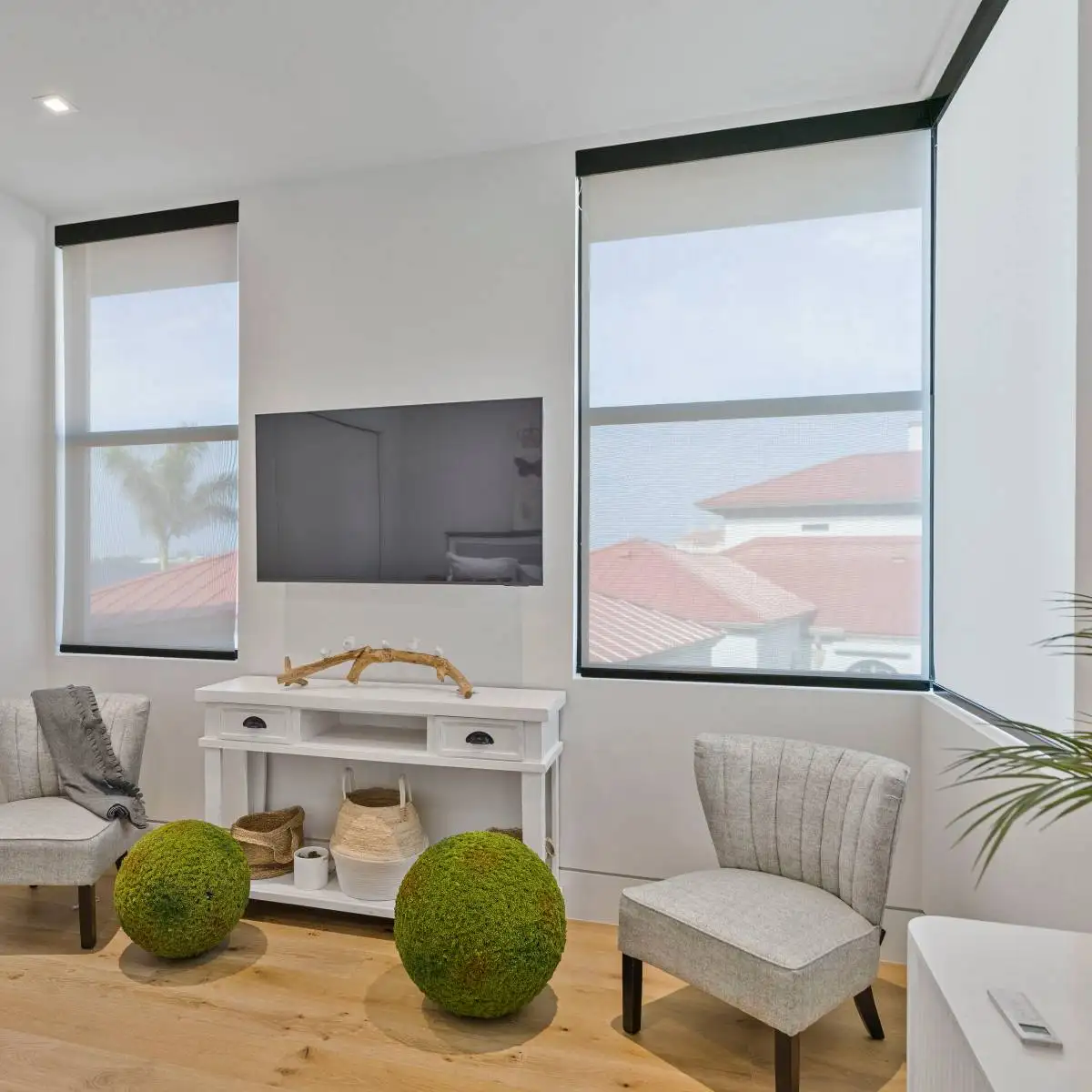
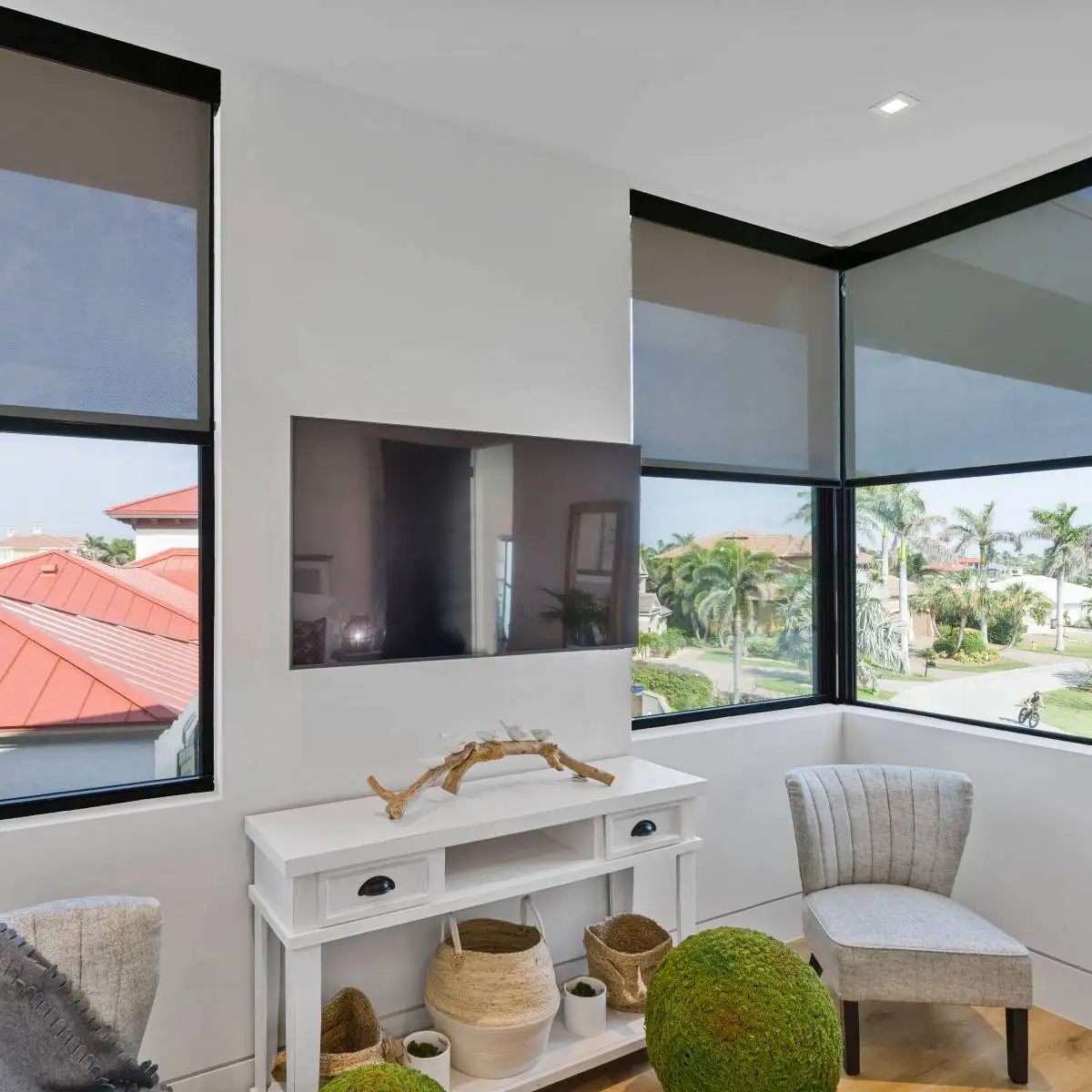
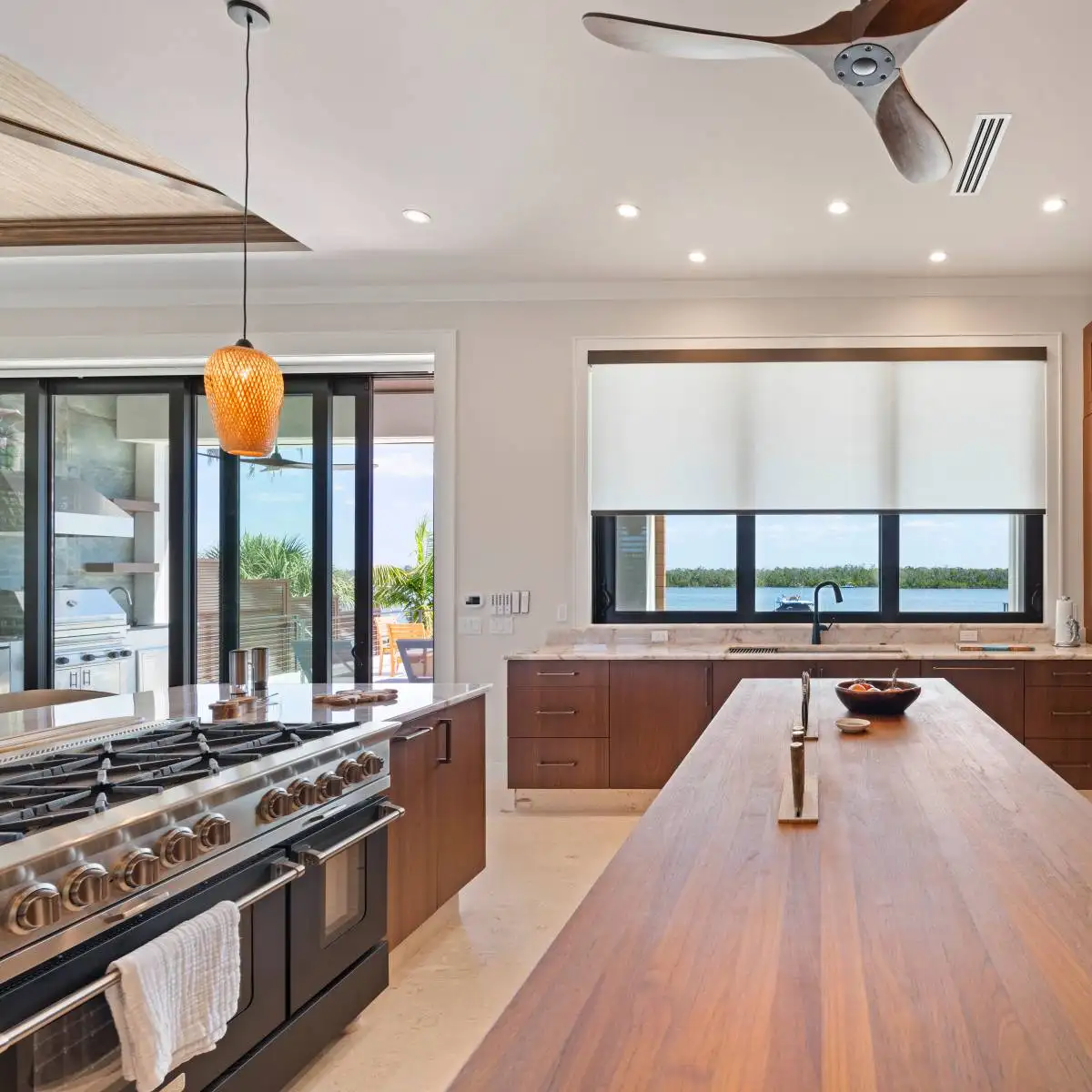
Explore EV Blinds installations showing solutions for wide sliders, bedrooms, bathrooms, privacy, and light control in Southwest Florida homes.
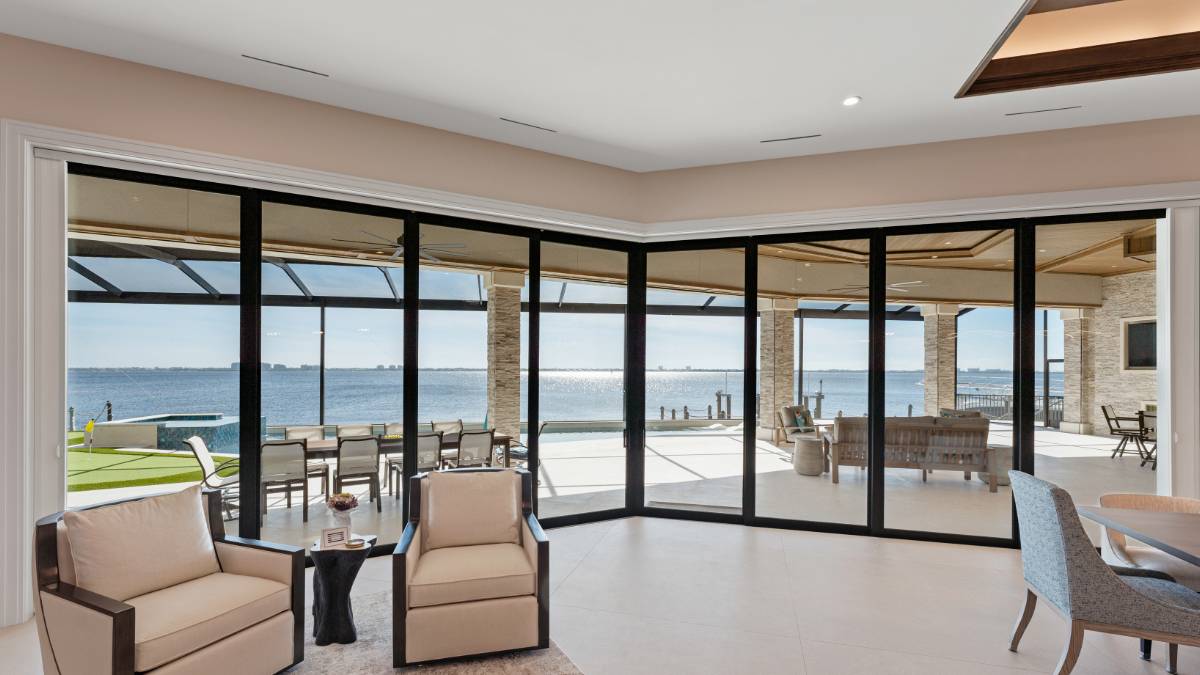
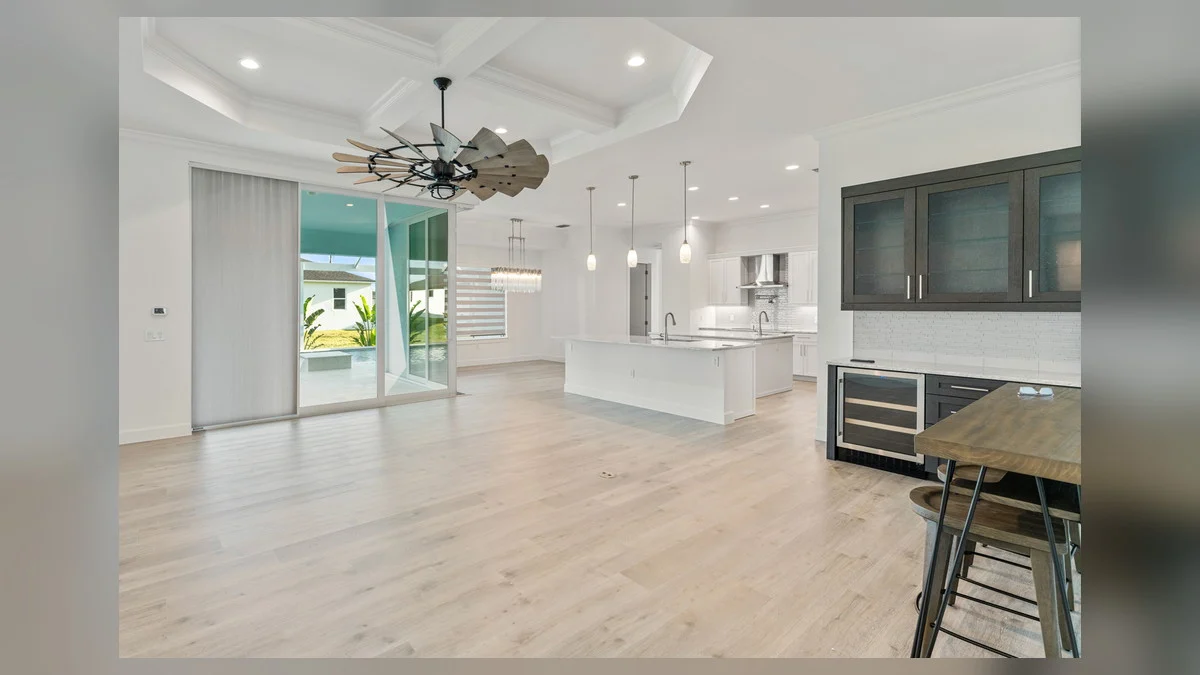
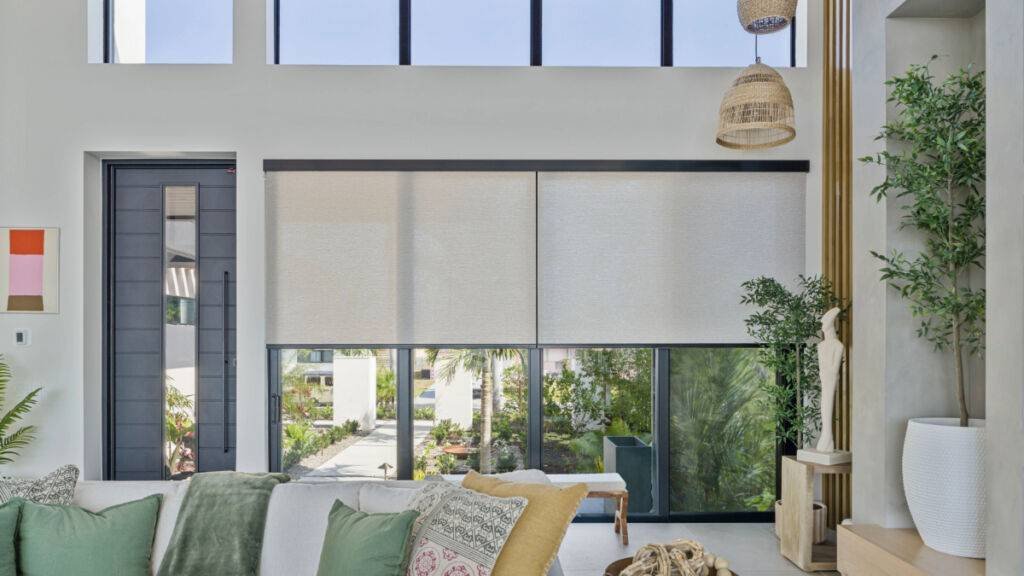
Cellular Sliders for Wide Glass
Soft daylight coverage for dining rooms, sliders, and open-plan spaces that need glare control without losing the view.
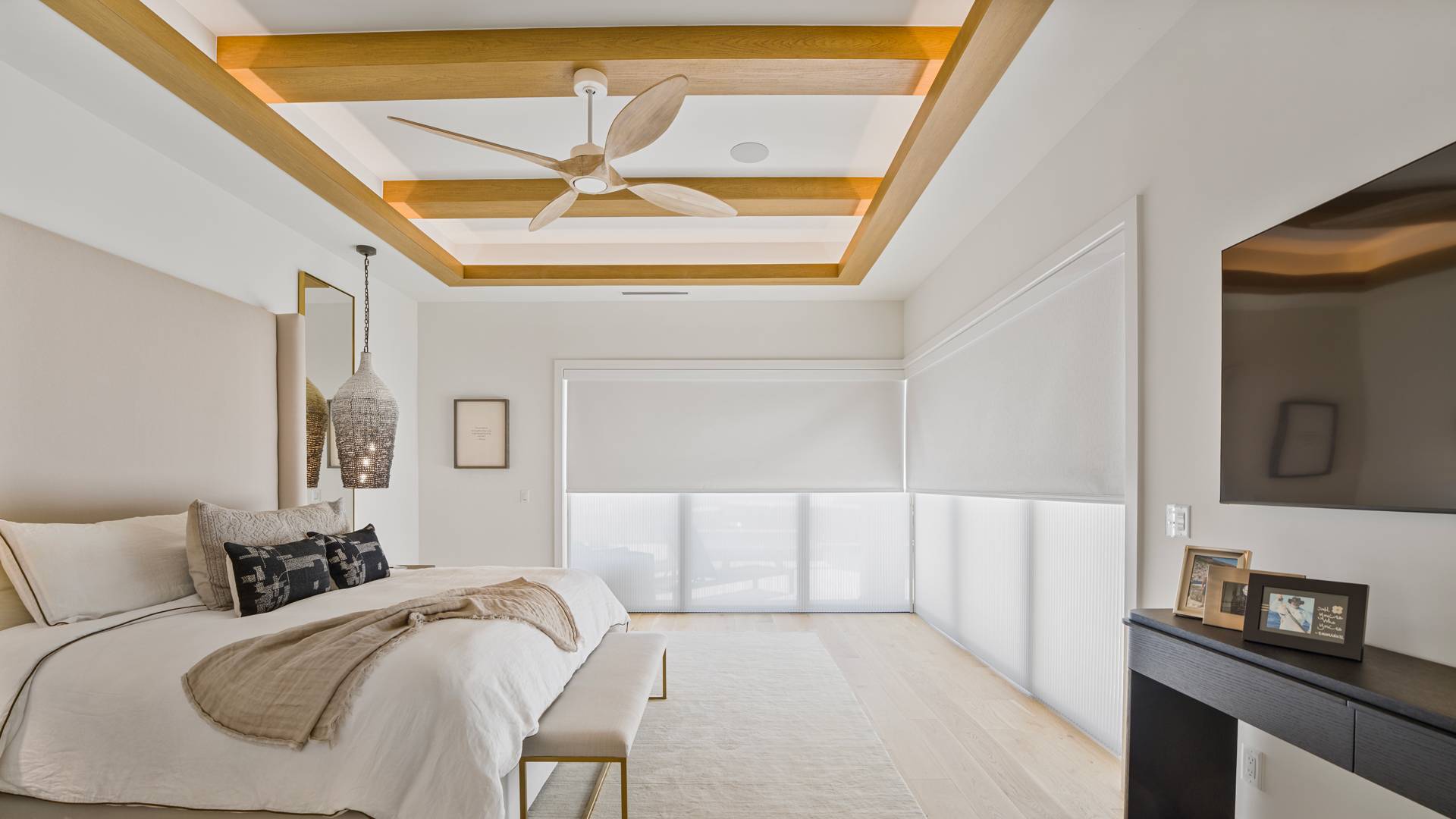
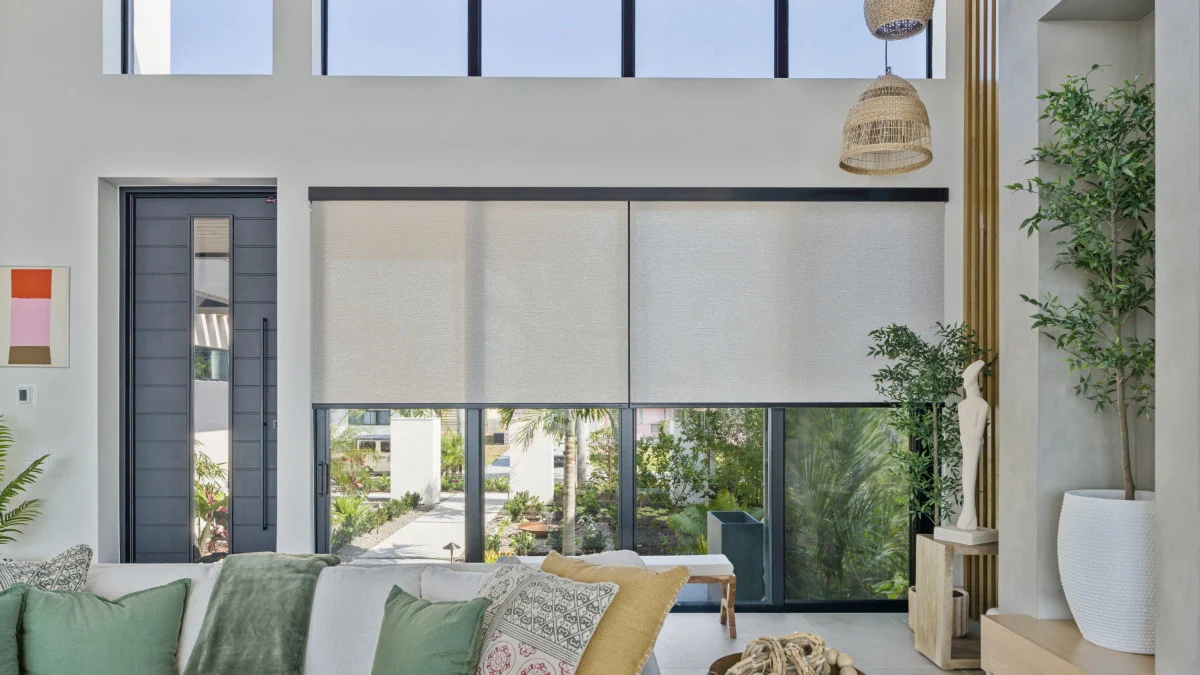
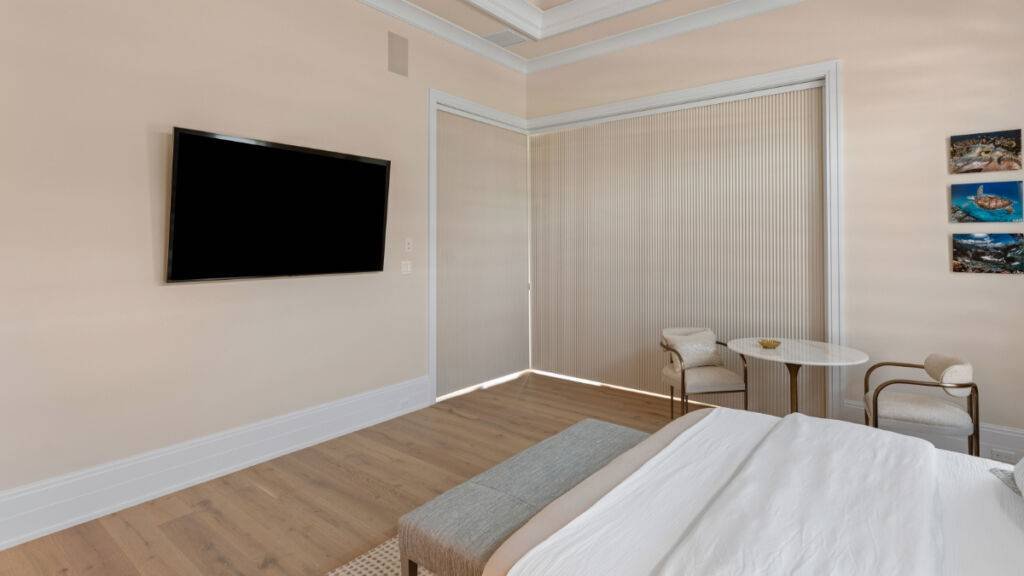
Motorized Double Shades
Two treatments in one clean track for bedrooms, condos, and rooms that need daytime light plus nighttime privacy.
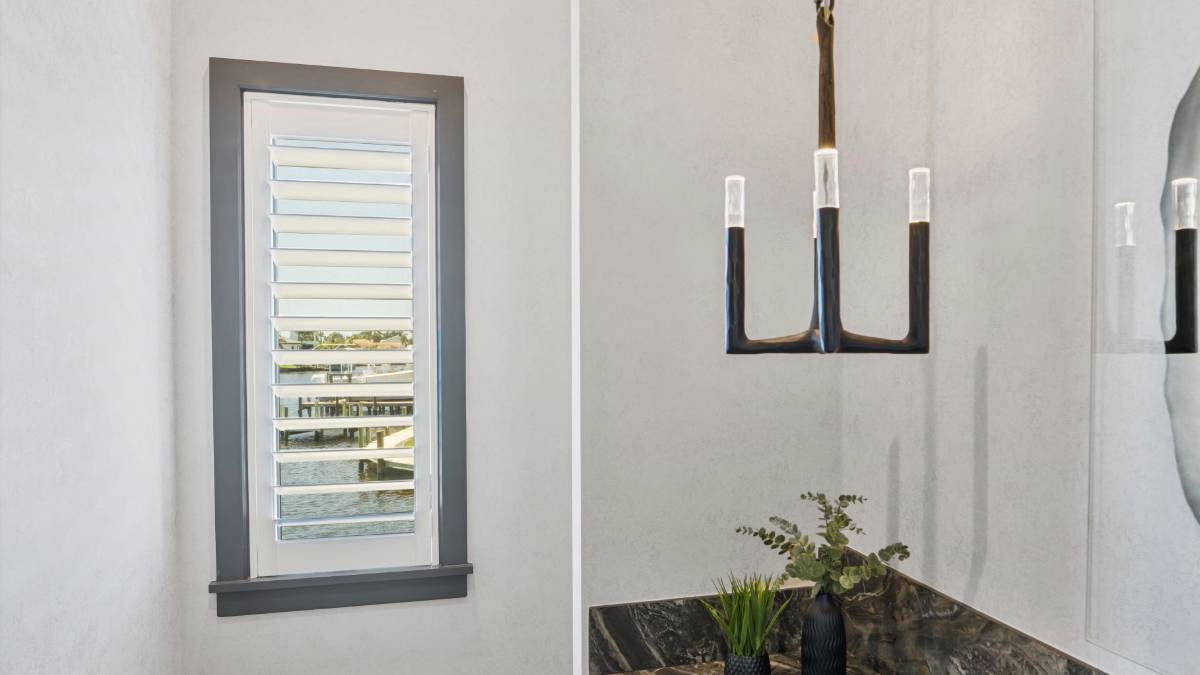
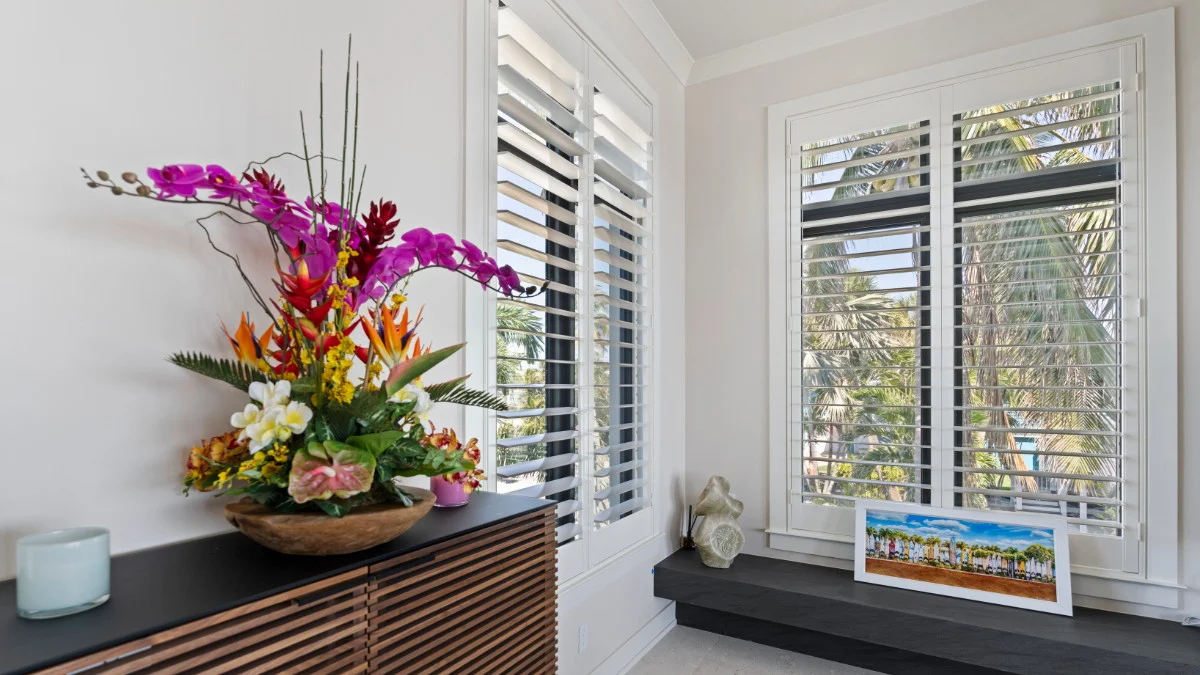
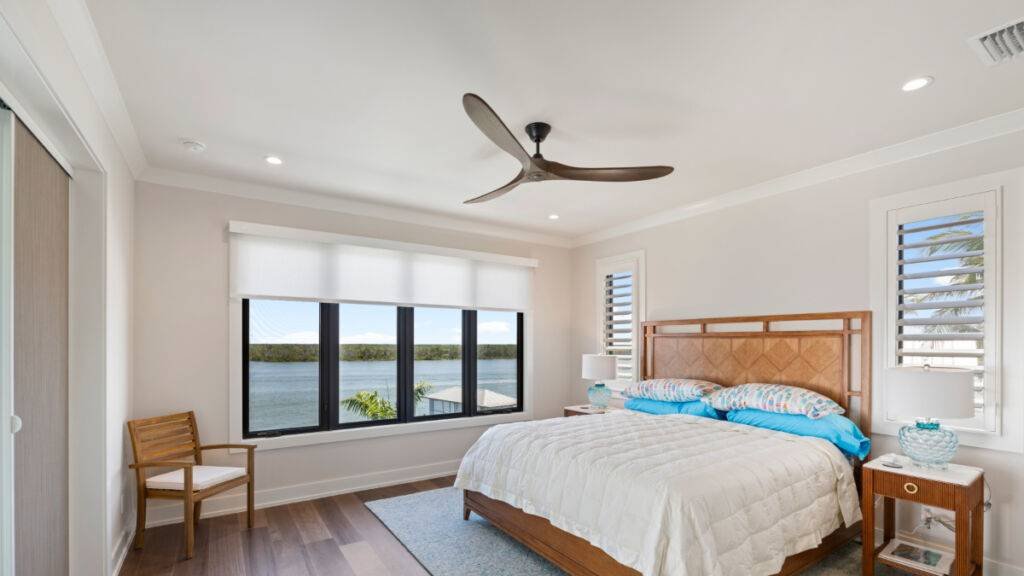
Plantation Shutters
A clean option for baths, street-facing windows, coastal interiors, and rooms that need lasting privacy.
Google Review Proof
Homeowners Praise the Fit, Speed, and Service
EV Blinds publishes Google Business Profile reviews so homeowners can see real feedback about measurements, installation, product quality, and service. Review themes include fast turnaround, clean installation, large-window solutions, motorized shades, plantation shutters, and local manufacturing.
Browse by Room
Nearby Service Areas
Ed’s Recommendation for Port Royal Window Treatments
“In Port Royal, the most expensive mistake is choosing a beautiful treatment before checking how it will affect the view, glass proportions, privacy, and daily operation. I recommend planning each elevation separately, then coordinating fabrics, finishes, and controls so the whole home still feels intentional. One product does not automatically belong on every window.”
— Ed Torres, Owner of EV Blinds
Frequently Asked Questions – Port Royal
Quick answers about custom blinds, shades, shutters, sliders, and motorized window treatments in Port Royal.
EV BLINDS · SOUTHWEST FLORIDA
SWFL Window Comfort Index
Local conditions. Thoughtful shade choices.
Tall glass and corner openings in Port Royal benefit from a coordinated coverage plan. Review fabric visibility, privacy and controls together.
Local window guidance · Collier County, Florida
What to consider at your windows
Compare light control, insulation and easy adjustment for the direction each window faces. Review fabric samples in the room before deciding.
 Weather data provided by OpenWeather
Why Homeowners Choose EV Blinds
Window Treatments Manufactured in Southwest Florida
EV Blinds designs, manufactures and installs custom window treatments in Southwest Florida. We plan around the opening, architectural details, privacy needs and daily use. During your consultation, ask which parts of your selected system will be fabricated locally and which components are sourced.
EV Blinds is open Monday through Friday from 9:00 AM to 7:00 PM and Saturday from 9:00 AM to 5:00 PM; Sunday is closed. In-home and office consultations are scheduled by appointment.
The useful next step is an in-home measure and design discussion tied to the actual windows, room use, exposure, and budget. Samples should be viewed in the home’s natural and evening light before the final material, color, controls, and mounting method are approved.
Choose EV Blinds contact and appointment information to confirm current availability before planning a showroom, home, or office consultation.
Yes. EV Blinds accepts major credit cards. Because accepted payment and financing methods can change, confirm the available options on the written proposal before authorizing fabrication.
Final cost depends on dimensions, material, controls, motorization, installation conditions, and quantity. Confirm the accepted payment methods and a written project total before authorizing fabrication.
The useful next step is an in-home measure and design discussion tied to the actual windows, room use, exposure, and budget. Samples should be viewed in the home’s natural and evening light before the final material, color, controls, and mounting method are approved.
Explore consultation and payment information, and ask EV Blinds to confirm the payment and financing choices on your project proposal.
EV Blinds serves homeowners and businesses across Southwest Florida, including Cape Coral, Fort Myers, Bonita Springs, Estero, Naples, Marco Island, Sanibel, Captiva, Punta Gorda and Port Charlotte. Our service-area guide also lists nearby communities. EV Blinds manufactures custom window treatments locally and provides measuring and professional installation; confirm current appointment availability for your exact property when scheduling.
Start with the installation address or ZIP code, rather than assuming a city name guarantees coverage for every project. Tell us whether the property is a house, condo or commercial space, approximately how many openings need treatments, and whether you are planning a new installation or asking about existing products. For a gated community or high-rise condo, mention visitor access, building work-hour rules and any required management coordination before arranging the visit.
Browse the EV Blinds service-area guide, then request coverage confirmation for your property. Include the installation location and a short description of the work so the team can confirm the appropriate next step before you make visit arrangements.
Yes. EV Blinds offers complimentary in-home or office consultations and measurements in Southwest Florida. You can compare samples, discuss privacy and light control, and receive a project-specific quote for custom blinds, shades or shutters. Pricing depends on the measured openings, materials, controls and installation scope, rather than a generic price per window.
EV Blinds measures, manufactures and professionally installs custom window treatments locally. During the visit, discuss how you use each room, when glare is strongest, and whether sliders or high windows need special access or motorization. Reviewing samples in your room’s actual light helps you choose a precision-fit solution that suits your architecture and daily routine. See our measurement and installation questions for details to discuss before ordering.
Have a rough window count, budget range and preferred installation date ready. Ask for a written proposal identifying the products, installation work and any exclusions, such as electrical work or removal of old treatments. A free estimate does not mean those services are automatically included. Book a complimentary room-by-room estimate and tell us which openings you want to prioritize.
Timing depends on the selected product, final measurements, material availability, fabrication workload and installation access. Some qualifying projects may be ready sooner, but a consultation date is not a promise of next-day installation. Tell EV Blinds your move-in, renovation or seasonal-return deadline at the start. Ask for the expected production lead time and installation appointment separately, and have the schedule confirmed after your measurements and selections are approved. If speed is the priority, ask which currently available materials and controls fit both the opening and your deadline. Keep the final fit and operating checks even when the schedule is tight.
Read the related EV Blinds guide or book a consultation for your project.
Yes. EV Blinds custom measures and builds treatments for the actual opening, including standard windows, specialty shapes, oversized glass, and large sliding doors. Because EV Blinds manufactures in Southwest Florida and develops patented, patent-pending, and other proprietary solutions, the team can take a creative, precision-driven approach when standardized products do not resolve the opening’s dimensions, corners, hardware, trim, stack position, or operating reach. The goal is a treatment that fits cleanly, complements the architecture, operates reliably, and supports the way the room is used.
Made-to-measure does not mean every material or operating system suits every opening. The design still needs product-specific checks for width, mounting depth, load, fabric behavior and access for service. EV Blinds can explain what is fabricated locally and which selected components are supplied by product partners.
See custom blind choices and bring your unusual opening to a design consultation; include photos of the corners, handles or trim that a standard treatment would miss.
Yes, we offer zebra blinds, which are also known as dual or layered shades. These window treatments feature alternating bands of sheer and solid fabric, allowing you to adjust the amount of light and privacy.
The zebra blinds are available with customized options for:
- Opacity, color, and fabric texture
- Motorized control
- Hold-down brackets: for French doors
- Specialized solutions: for zero corner windows and tall oversized windows and sliders.
You can see information about zebra blinds by clicking this link: https://evblinds.com/blinds/zebra-blinds/
Yes. EV Blinds offers motorized options for selected blinds and shades, including roller and zebra shades. Availability depends on the product, opening dimensions, fabric or material, and operating mechanism. An existing manual blind cannot automatically be converted; its condition and compatible components must be assessed first.
For Southwest Florida homes and businesses, plan access to charging or wired power, mounting space and the way you want to use each window. Remote operation does not automatically include app, voice or smart-home control: the exact motor, hub and platform must work together. EV Blinds manufactures custom window treatments locally in Southwest Florida, allowing fit and operating requirements to be considered together without assuming every product suits every opening.
Compare motorized blinds and shade options, then book an in-home assessment of which windows to motorize.
Yes. EV Blinds offers custom plantation shutters with professional measuring and installation for homes across Southwest Florida. Plantation shutters use adjustable louvers to manage daylight and privacy, with framed panels that need enough clearance to open and operate correctly.
The right configuration depends on the window’s depth, trim, handles and surrounding space. During a consultation, compare louver sizes, frame profiles and panel arrangements against your view, privacy needs and access for cleaning. For humid rooms or strongly sun-exposed windows, ask which available material and finish suit that location rather than assuming every shutter performs the same way.
EV Blinds has served Southwest Florida since 2002. Our approach starts with the actual opening and how you use the room, so the proposed shutter fits your architectural details and everyday routine. Confirm the selected product’s specifications, care requirements and written warranty with your quote.
See our plantation shutter options, then schedule an in-home shutter frame and louver comparison to choose a configuration for your windows.
EV Blinds provides professional installation for its custom window-treatment projects in Southwest Florida. Your written proposal should confirm whether installation and the mounting parts for your selected treatments are included in the quoted price. Do not assume that every related service is included: the agreed scope and exclusions in your own proposal control the cost.
Before approving the order, confirm treatment quantities, mounting locations, operating systems and who handles any hardwired electrical connections. Ask specifically about removal and disposal of old treatments, high-access equipment, condo access requirements and repairs to existing surfaces. The in-home measure should check dimensions, mounting surfaces, handles and door clearance before local fabrication. Product warranties and installation service terms should be explained separately.
Review the measurement and installation process, then request a line-by-line installation scope review so you know what is included before approving your order.
Yes. EV Blinds aims for a clean, aligned installation that fits the opening and respects the surrounding finishes. Neat work begins before the brackets go up: measurements, mounting depth, handles and trim affect where the treatment can sit. For a Southwest Florida home with wide sliders or high glass, the plan should also account for access, visible hardware and how the shade will look when raised or drawn aside.
Before installation day, discuss furniture access, delicate surfaces, existing bracket holes and any motor wiring or charging points. Confirm whether removing old treatments, patching holes or painting is included; those tasks should not be assumed to be part of routine installation. At handover, open and close each treatment, check alignment and clearance, and ask how to use and care for the controls. Agree on cleanup expectations and raise any finish concern while the installer can see the exact area.
EV Blinds manufactures custom window treatments locally in Southwest Florida, so the fit can be planned around your architecture rather than a stock size. Read our window-treatment installation guide, then plan the finishing details for your installation. Share photos of the trim, mounting area and nearby outlets so we can discuss the details that matter in your home.
Yes, we offer motorized window treatments that are controlled by remote controls. These motorized blinds and shades are available for various types of windows and can also be operated with mobile apps and voice assistants. We offer free in-home consultations to help you select the ideal motorized options for your home.
Confirm the shade type, opening size, power source, control method, and smart-home platform before ordering. Battery and rechargeable systems reduce wiring work, while hardwired power can be preferable for large openings or frequent operation; compatibility should be verified before fabrication.
Plan motorized shades and smart controls, then schedule an in-home measure so EV Blinds can answer “Are remote controls available” for your exact openings.
Yes. Established in 2002, EV Blinds measures, manufactures and professionally installs custom window treatments here in Southwest Florida. Local fabrication lets the team plan the fit around your opening, architectural details and daily routine, including corners, oversized glass, unusual shapes and clearance conflicts. EV Blinds draws on decades of industry experience and patented, patent-pending and other proprietary solutions; the appropriate approach depends on the opening and the product selected.
Local manufacturing does not mean every component is made in the workshop. Ask which fabrication steps and components are local for your chosen treatment. Motors, controls, fabrics and other parts may come from separate manufacturers with their own written coverage. Your proposal should identify the fabrication scope, installation responsibilities and applicable product and service terms.
Learn about EV Blinds and its local manufacturing approach, then discuss what will be made for your project and how the finished treatment will fit and operate in your home.
EV Blinds provides design guidance, measurement, local manufacturing and professional installation for custom window treatments in Southwest Florida. Professionalism should be visible in the advice you receive, not just a sales promise: the team should explain why a product suits your opening, what its limitations are and what work is included before you order.
During a consultation, discuss your privacy needs, daily routine, budget and access arrangements. A year-round household may use its shades differently from a seasonal condo owner, and a tall window needs a practical plan for controls and future service. Ask who will coordinate your project, how scheduling changes will be communicated and how to request help after installation. Review the written product choices and scope, and ask for an operating demonstration at handover. Customer reviews can provide additional evidence of communication, installation care and follow-up; an individual review describes that customer’s experience, not a guarantee for every project.
Founded in 2002, EV Blinds manufactures custom window treatments here in Southwest Florida. Read EV Blinds customer experiences and learn about our window-treatment company, then discuss your project and service expectations with EV Blinds. Bring your priorities and questions so the consultation can address how the work will fit your home and lifestyle.
Yes, we are fully licensed and insured. EV Blinds’ team of professionals is safety-certified and stands behind every installation with a real, dependable guarantee.
Warranty coverage varies by product, component, motor, fabric, and cause of failure. Keep the order information and care instructions, and ask for the applicable written coverage and exclusions before purchase rather than relying on a general warranty claim.
Explore EV Blinds warranty information, then schedule an in-home measure so EV Blinds can answer “Are they insured” for your exact openings.
We provide residential and commercial window treatment services throughout Southwest Florida, serving homeowners, builders, designers, and businesses across coastal and inland communities. Our primary service areas include Cape Coral, Fort Myers, Naples, Bonita Springs, Estero, Marco Island, Port Charlotte, Punta Gorda, and Babcock Ranch. We also specialize in coastal and waterfront communities, including Sanibel Island, Captiva Island, Fort Myers Beach, Vanderbilt Beach, Bonita Bay, Port Royal, and San Carlos Island. In addition, we serve surrounding Southwest Florida neighborhoods, barrier islands, and coastal developments—bringing tailored window treatment solutions designed for Florida sun, heat, humidity, and coastal living.
The useful next step is an in-home measure and design discussion tied to the actual windows, room use, exposure, and budget. Samples should be viewed in the home’s natural and evening light before the final material, color, controls, and mounting method are approved.
Review the EV Blinds service area and provide the installation address when scheduling so coverage can be confirmed for your property.
Yes. EV Blinds designs, manufactures and installs custom window coverings in Southwest Florida, including solutions for large sliding glass doors. The starting point is not width alone: the treatment must clear the handles, follow the door’s opening pattern and leave a usable passage when retracted. In a canal-front home or a room opening onto a lanai, everyday access matters as much as privacy and glare control.
Compare side-drawing vertical blinds, panel tracks and vertical cellular systems with roller shades that lift above the doorway. A side-drawing system needs room for its stack of material; a roller layout needs overhead clearance and a practical way to uncover the active door. Several independently controlled sections can separate the walking route from fixed glass, but their gaps and alignment need review. Fabric opacity, mounting depth and the chosen hardware determine the final configuration; there is no single product or universal maximum width that suits every slider.
Our local manufacturing approach lets EV Blinds review the fit around your architecture and daily routine. Explore custom coverings for large sliding doors, then request a full-span slider assessment. Bring approximate dimensions and photos showing the open door, handles and adjacent walls; final fabrication measurements should be confirmed in person.
Yes. Plantation shutters can suit Port Royal interiors where their frame, panels, and adjustable louvers work with the architecture and room needs. Compare the exact material and configuration rather than treating every shutter as equally durable or appropriate. Unusually large or distinctive openings need a specific product and mounting review before the design is finalized.
Review architectural lines and panel movement
Look at the existing trim, sill, and neighboring openings. Ask how the proposed frame and panel divisions relate to those lines. Review finish samples beside the room’s actual materials rather than selecting white or wood tones from a photograph alone. The shutter should be considered as a visible part of the opening in both closed and open positions.
Check the space needed for panels to swing and louvers to tilt. Handles, adjacent walls, furniture, and decorative details may affect the usable arrangement. Confirm supporting surfaces and mounting depth through field measurement. Overall width and height alone do not establish that the preferred panel layout will operate cleanly.
Compare privacy, view, and material suitability
Observe the view through louvers at practical angles from normal seating positions. Discuss when privacy is needed and how the room is illuminated after dark. Shutters introduce frames and components around the glass and should not automatically be described as full blackout coverage. Compare other suitable options if a room has a more specific darkness requirement.
Review the chosen material, finish, hinges, and fasteners against the intended exposure. A dry interior room differs from a humid bathroom or an outdoor location. Ask for the exact product’s limitations and approved cleaning method. Neither a hardwood nor a composite label establishes suitability for every condition without further review.
Document the measured design
Explore Port Royal window treatments and arrange a consultation. Ask the proposal to identify the material, finish, frame, panel arrangement, hardware, and mounting. Review cleaning access and routine operation alongside the appearance. Resolving those details before ordering gives the recommendation a practical basis tied to the home rather than a broad promise of luxury and durability.
Appropriately selected shades can help manage solar exposure and comfort in a large Port Royal home. Solar fabrics and insulating cellular designs address different priorities, so compare the exact product with the window and room rather than choosing from an energy-saving label alone. Cooling results depend on glazing, sun direction, coverage, outdoor conditions, and how the coverings are used.
Find the rooms and hours causing discomfort
Start with the spaces that feel warm or receive strong direct sun. Note the time of day, the direction of the glass, and whether the issue is heat, glare, or both. Large adjoining rooms may have different exposure patterns. A treatment selected for one window should not automatically be repeated throughout the home without checking those differences.
Discuss the existing glazing and any information available about its performance. Window coverings work alongside the building’s other features; they should not be presented as a guaranteed substitute for resolving an HVAC or building-envelope issue. Avoid assuming a particular reduction in bills without evidence relevant to the actual installation and conditions.
Compare insulation, screening, and coverage
Cellular shades may be considered where an insulating structure, privacy, and a compact raised position are priorities. Solar screens may be considered where filtered views and managing bright sunlight matter. Ask for documented characteristics of the selected product and discuss the tradeoffs between view, light, privacy, and the intended thermal benefit.
For oversized glass, review product size limits, mounting support, edge gaps, and whether multiple sections are needed. The configuration affects both coverage and appearance. Confirm clearance around doors and access for operation. A material’s performance description does not establish the result of an installation that leaves important glass areas uncovered.
Establish a usable operating routine
Review Port Royal window treatments and arrange a measured consultation. Explain when the home is occupied and who will adjust the coverings during strong sun hours. If automation is proposed, confirm equipment, power, supported controls, and service access. Ask the proposal to identify each opening, selected product, mounting, coverage, and operation. A practical routine and clearly specified fit give a stronger basis for comfort planning than a broad savings promise.
Yes. EV Blinds can help plan motorized blinds for a Port Royal smart home, but integration must be checked against the exact motor and home-control system. A motorized treatment is not automatically compatible with every app, voice assistant, or automation platform. Decide what each room should do, then confirm the equipment and installation requirements before ordering.
Start with the control system you already use
Provide the name and model of your existing home-control equipment, along with the contact details of your integrator if someone maintains it. Explain whether you want a simple handheld remote, room-by-room app control, or coordinated routines. Ask which functions are supported by the proposed combination and whether any additional hardware is required. Include those details in the quote rather than relying on a general promise that the shades are smart.
Group windows around how the home is used
Walk through the spaces where synchronized movement would be useful, such as a living room with several large openings. Also identify windows that need individual control for glare, privacy, or access to a door. Matching fabric appearance across adjacent openings does not require every shade to share the same schedule. Ask to see how occupants will select one shade, a room group, or the whole installation.
Coordinate power and architectural details
Have the installer assess dimensions, mounting depth, finish details, and access for future maintenance. Discuss the proposed power source for each opening and how it will be reached. If the selected configuration requires electrical work, establish who handles that work and when it must be completed. Do not assume that all motors use batteries or that every installation can be finished without electrical coordination.
Plan a usable handoff
Request an operating demonstration before the installation is considered complete. Test the agreed room groups and individual controls, and clarify what happens when the internet or a central controller is unavailable. Retain the model information and maintenance instructions. If staff or visiting family will operate the shades, give them a straightforward control method that does not depend on access to a personal account.
Explore Port Royal window treatments with EV Blinds to coordinate fabric, privacy, motorization, and installation details. A room-by-room plan helps keep the finished system practical as well as visually consistent.
Begin with the exposure affecting your furnishings and compare suitable shade fabrics using product-specific information. Solar screens and other materials can help manage sunlight, but no covering should be presented as a guarantee that fine furniture or other finishes will never fade. In Port Royal rooms, review the exact product and installation alongside the care requirements of sensitive items.
Identify where and when light reaches the interior
Note which surfaces receive direct sunlight and how that changes during the day. A chair beside the glass may have different exposure from an object across the room. Explain the items that concern you most. Where furniture, artwork, or finishes have specific care or conservation instructions, review those separately rather than treating a shade as the only protection measure.
Ask for documented UV characteristics of the selected fabric and what those figures describe. A product-family name, color, or texture does not establish a blocking percentage. Compare the material’s visual effect with the amount of daylight and view you want to retain. Technical evidence and sample appearance answer different parts of the decision.
Review coverage and the room’s other priorities
Check mounting depth, supporting surfaces, handles, and gaps around the treatment. The fabric’s properties do not eliminate light entering through uncovered areas. For large glass, ask how section layout affects coverage and the appearance from normal seating positions. Confirm the product’s dimensional limits before the arrangement is agreed.
Compare glare comfort and evening privacy too. A lighter screen selected for daytime views may need another layer for the intended nighttime coverage. Review where each layer retracts and how it operates. More screening can change the view, so make that tradeoff explicitly rather than assuming all goals can be maximized at once.
Keep the supporting information with the proposal
Explore Port Royal window treatments and arrange a measured consultation. Ask the proposal to identify fabric, coverage, mounting, sections, and operation. Discuss routine adjustment during relevant sun hours and retain approved care instructions. Those details provide a specific basis for the shading plan without an unsupported promise of complete furnishing protection.
Top-down/bottom-up shades and layered treatments can offer flexible ways to balance privacy with an elegant appearance in Port Royal. The right arrangement depends on the selected product, the position of nearby sightlines, and how the room is used. Begin by deciding when privacy is needed and which parts of the glass you want to keep visually open.
Distinguish soft light from private coverage
A light-filtering material can soften a room without guaranteeing that people outside cannot see in. Visibility may change after dark when interior lights are on. Compare the proposed material under relevant conditions and ask what level of coverage the exact product provides. Do not use a decorative sheer as the sole basis for a nighttime privacy plan without checking its performance.
For example, a sitting room may benefit from filtered daylight during the afternoon but need fuller coverage during evening gatherings. A bedroom may have a different priority. Where a layered treatment is appropriate, discuss which layer provides each function and how the layers will be operated. Confirm that the proposed configuration is available for the measured opening.
Protect the architectural lines of the room
Review the treatment beside existing trim, ceiling details, furniture, and door handles. Ask where fabric, slats, or panels will collect when opened and how that affects the view. Mounting depth and supporting surfaces can influence the finished appearance as much as fabric color. For adjacent windows, consider whether the open and closed positions will look coordinated.
Compare texture and color in the room’s actual light. A subtle weave may add interest without needing a strong pattern, while a more opaque layer may change the visual weight around the glass. Review visible rails, controls, and any layered hardware together. The goal is a considered arrangement that remains convenient to use each day.
Specify privacy and operation together
Explore window shade options and arrange a consultation for the relevant rooms. Explain normal evening use, important sightlines, and any difficult-to-reach windows. Have the proposal identify the exact materials, privacy layers, mounting, and operating method. Confirm access for cleaning and routine adjustment before ordering, so the finished treatment supports both the room’s appearance and its everyday privacy needs.
EV Blinds can review custom treatment options for oversized, arched, and architecturally distinctive Port Royal windows. The final solution depends on field measurements, shape, mounting conditions, and available product configurations. Custom planning should not be taken as a guarantee that every blind can follow every curve or cover an unlimited width in one operating section.
Measure the geometry and supporting conditions
Identify the full outline of the glass and any changes in depth around the opening. Arches, corners, and adjoining panels can create different mounting constraints from a rectangular window. Review trim, handles, nearby walls, and the surface available to support the treatment. Photographs help explain the project, but final suitability requires the actual opening to be checked.
Ask whether the proposed treatment covers the shaped area, a rectangular portion below it, or separate parts of the opening. Those approaches can produce different appearances and light-control results. Review the remaining uncovered glass and any visible divisions rather than assuming the whole architectural outline will operate as one shade.
Compare size limits with the desired view
Large treatments need a product-specific review of dimensions, support, weight, and operation. Multiple sections may be more appropriate than a single oversized unit. Discuss where divisions and raised or stacked material will sit relative to important sightlines. Compare coverage, privacy, and the view from normal seating positions.
If motorization is proposed, confirm its availability for the selected treatment and dimensions. A motor does not remove material or hardware limits. Review power, compatible controls, service access, and any preparation required before surrounding finishes are complete. Where another project team is involved, clarify responsibilities for measurements, support, wiring, and final installation.
Resolve the design through a documented proposal
Explore Port Royal window treatments and arrange a site consultation. Ask the proposal to identify which areas are covered, product type, materials, section layout, mounting, and operation. Record any remaining feasibility questions or required preparation before ordering. This creates a reviewable plan for the unusual window without relying on unsupported claims about universal capability or proprietary solutions.
For expansive doors to a lanai or pool, the best treatment is one you can move clear of the doorway you actually use. A sideways-drawing system may suit frequent trips outside if the gathered fabric or panels have a suitable stacking area. Separately operated roller shades can let you raise the section above the active door while keeping other sections down for glare or privacy. Start with that access plan, then choose the fabric and controls; covering the maximum width in one piece is not always the most practical solution.
Open the doors fully during the measurement visit and identify the daily walking route, handle clearance and furniture near the opening. Ask where the treatment will sit when open, how much glass it will cover when stacked, and whether shade divisions should align with the door panels. Southwest Florida poolside rooms also need a realistic assessment of splash exposure, reflected light and nighttime privacy. An indoor shade behind the glass is not an exterior shade for the lanai itself. For motorized operation, plan accessible charging or wiring and a practical way to reach the system for future service.
EV Blinds manufactures custom window treatments here in Southwest Florida so the layout can be developed around your architecture and lifestyle. Review wide-slider covering options and motorized shade controls, then plan a pool-access and stack-back review. Share a photo showing the doors fully open and describe when you use the outdoor space.
Compatibility with Control4 or Lutron needs to be confirmed for the exact shade, motor, and control equipment proposed for your home. A general motorized-blind description does not establish that it works with either system. Share the existing equipment and requested functions with EV Blinds so the project can be reviewed before a product is ordered.
Identify the system and the functions required
Provide the relevant platform and equipment details, ideally with input from the integrator responsible for the home. Explain whether the goal is individual shade control, room groups, scheduled movement, or participation in a wider scene. These requests should be checked separately rather than bundled into a broad promise of smart-home compatibility.
Ask which motor and interface are proposed and what evidence confirms the requested connection. Clarify whether additional equipment, configuration, or work by another installer is necessary. Do not assume that compatibility with one control method establishes support for every feature of the existing system. Resolve those questions before fabrication.
Coordinate the physical installation and responsibilities
Review treatment type, opening dimensions, mounting support, and clearances alongside the integration plan. A suitable control connection does not make every fabric or oversized configuration practical. Confirm the available power arrangement and access for charging or service. If wiring or preparation is needed, establish who provides it and when it must be complete.
Discuss local controls for ordinary adjustment and the supported behavior during a power or connectivity interruption. Identify who configures the interface and who supports each component afterward. Where EV Blinds and a separate integrator are involved, have both scopes clearly described so there is no assumption that the other party will complete a necessary step.
Record and demonstrate the agreed operation
Explore motorized window treatments and arrange a consultation. Have the proposal identify the shade, motor, power, interface, confirmed functions, and responsible installers. At handoff, demonstrate the agreed controls and keep relevant product information together. This creates a specific integration plan without a universal claim that every blind works with Control4 or Lutron.
Yes. You can arrange an in-home window treatment design consultation for a Port Royal project with EV Blinds. Explain the scope and any preferred coordination arrangements when booking. The most useful visit brings the room’s design intent together with field measurements, practical operation, material choices, and the people responsible for approving the specification.
Bring a clear design brief
Identify the rooms and openings included in the project, along with the finishes and furnishings you intend to retain. Photos, current plans, and selected material samples can help communicate the direction. Distinguish confirmed information from options still being considered. Drawings are useful for planning, but the final order should be based on the required measurements and site conditions.
Describe the view, privacy, glare, and light-blocking goals for each room. Architectural glass, corners, tall windows, and wide sliders should be discussed early because mounting and operating layouts can affect the design. Ask where brackets, open stacks, frames, or guides will be visible and how they relate to trim and other finishes.
Coordinate choices before fabrication
If a designer, builder, electrician, or property manager is involved, clarify who supplies information and who approves changes. Compare fabrics and finishes in the room’s actual light. Texture and color should be reviewed alongside opacity, cleaning, coverage, and the proposed exposure rather than treated as substitutes for those characteristics.
For motorized treatments, list the desired functions and any existing automation system. Confirm the selected product, power arrangement, controls, compatible equipment, and access for charging or service. Where wiring or other preparation is needed, establish responsibilities before finishes are complete. Do not assume that every architectural opening supports the same treatment or control option.
Leave a documented decision path
Explore Port Royal window treatments and arrange an in-home consultation. Review an opening schedule or written proposal identifying materials, dimensions, mounting, controls, installation scope, and outstanding approvals. Ask how later changes affect the order and scheduling process. Keep the agreed choices and product instructions with the project records so installation and handoff can be checked against the same specification.
Woven textures, soft linen tones, and restrained roller fabrics can complement a coastal luxury interior in Port Royal. Use those as directions for sample comparison rather than assuming one material suits every room. The finished treatment should support privacy, view, light control, and practical operation alongside the desired appearance.
Coordinate texture with architectural details
Compare materials beside the trim, walls, flooring, and furniture. A subtle weave may add interest to a simple room, while a smoother fabric may suit a space with more detailed finishes. Look at colors in the room’s actual daylight and evening lighting before settling on the final palette.
Review the components visible when coverings are open. Rails, cassettes, frames, stacked panels, and controls influence the lines around the glass. Ask how neighboring openings will relate without assuming identical products are necessary throughout the home. A shared finish palette can connect rooms with different opacity or operating needs.
Give the decorative material a clear function
Explain whether a room prioritizes a view, glare comfort, evening privacy, or stronger darkening. Compare the selected fabric against those conditions. A sheer or open weave should not automatically be relied on for complete nighttime privacy. If another layer is proposed, review its mounting space, retracted position, and operation as part of the complete arrangement.
Describe humidity or direct exposure where relevant and confirm suitability of the exact material and hardware. Natural texture does not establish moisture tolerance. Review approved cleaning methods and access around furniture. Large or distinctive openings also need their own dimensional and support review before a preferred style is confirmed.
Review a specific measured design
Explore Port Royal window treatments and arrange a consultation with samples. Check handles, trim, mounting depth, supporting surfaces, and passage access. If motorization is requested, confirm product availability, power, compatible controls, and service access. Have the proposal record materials, colors, hardware, layers, mounting, and operation so the coastal design is supported by a practical plan for the room.
The best outdoor shade for a Port Royal patio or lanai is a complete system suitable for the measured opening and actual exposure. Solar screening can be considered where filtered views and managing bright sunlight are priorities. It should not be treated as hurricane protection or a guaranteed wind barrier.
Describe the space and the sun problem
Clarify whether the opening is fully outdoors, screened, or partly sheltered. Identify rain entry, splashes, and direct sunlight at the proposed location. Explain when people sit, dine, or move through the space. A fabric comparison is most useful from those positions during the difficult sun hours.
Review how openness and color affect the balance between screening and outdoor detail. More screening may change the view. For several openings, ask whether separate sections would improve adjustment as the sun moves. Check passages and nearby equipment so the proposed arrangement remains practical when lowered.
Confirm support and operating restrictions
Review the mounting structure, dimensions, supporting surfaces, and preparation required. Ask whether the complete proposed system is suitable for the conditions, including brackets, fasteners, and operating components. Outdoor fabric alone does not establish the suitability of every part. Identify who handles any necessary preparation before installation.
Obtain the selected system’s weather limits and retraction instructions. Clarify when it must be raised or secured and how it should be left when unattended. If motorization is proposed, confirm suitable power, compatible controls, and accessible service points. Automation does not remove weather restrictions or the need for routine care.
Keep the design and use plan together
Explore Port Royal window treatments and arrange a site consultation. Confirm applicable property requirements with the responsible party. Have the proposal identify intended exposure, system, fabric, dimensions, mounting, and operation. Keep approved cleaning and weather instructions accessible to household members or property staff. This provides a clear plan for the outdoor space without assuming every shade suits every patio condition.
Yes. Our treatments fit inside the frame and do not interfere with storm shutters or impact glass prep.
For a bedroom or media room, compare suitable blackout roller fabrics and installation options designed to limit light around the covering. Blackout fabric describes the material, while the darkness of the room also depends on gaps, mounting, and other light sources. Motorization does not guarantee full darkness or silent movement, so confirm those expectations with the exact proposed system.
Define the darkness needed for the room
Explain whether you want daytime sleep, less morning light, or improved visibility for a projection screen. Identify which windows admit the most distracting light and when. Look beyond the fabric to glass at the edges, door openings, and other sources of illumination. Different priorities may call for different installation details.
Ask about the selected blackout material and how the proposed treatment covers the opening. Side channels or other light-control details may be appropriate where the system and mounting conditions permit them. Confirm availability, dimensions, and appearance rather than assuming any roller shade can accept the same accessories. Review how the bottom and top of the installation are handled too.
Check fit and everyday use together
Review trim, sill, handles, supporting surfaces, and the depth available for mounting. Discuss where the covering will sit when raised and whether the room also needs a separate daytime filtering layer. Layered treatments require space and an operating plan; they should be considered as a complete arrangement rather than added after the order without review.
If motorization is desired, confirm power, compatible controls, and access for charging or service. Ask about expected operating sound and request a demonstration where available. Do not rely on a blanket claim of silent automation. For a bedroom schedule, clarify which equipment supports it and how the user makes a temporary adjustment.
Record the agreed light-control specification
Explore motorized window treatments and arrange a measured consultation. Have the proposal identify fabric, coverage, channels or other accessories, mounting, power, and controls. Review the expected result and remaining light paths before ordering. Those details provide a clearer basis for choosing a blackout solution than the fabric label alone.
Suitable roller shades, adjustable blinds, and layered treatments are options to compare for a Port Royal guest suite or detached quarters. Start with privacy and straightforward operation, then coordinate the appearance with the main home. A decorative light-filtering layer should not automatically be relied on as the sole coverage for guests after dark.
Plan for more than one way of using the room
Explain whether the space serves only as a bedroom or also as a sitting area or workspace. Guests may want soft daylight during the day and fuller privacy at night. Compare exact material opacity under those conditions. If daytime sleeping is important, review installed light gaps and appropriate darkening options separately from a fabric’s blackout description.
Consider a layered arrangement where different functions are needed. Ask where each layer collects when open and how both are adjusted. Review mounting support, depth, handles, trim, and nearby furniture. The treatment should operate conveniently without requiring guests to reach around a bed or other obstacle.
Keep controls understandable
Compare operating methods that can be explained briefly. If motorization is desired, discuss a simple local control, suitable power, and service or charging access. Confirm any requested smart functions for the exact equipment. Routine adjustment should not depend on guests using the owner’s personal account.
For detached quarters, review the location’s conditions directly rather than assuming they match the main house. Describe humidity, direct splashes, or exposed openings where relevant and confirm suitability of the complete product. Request approved cleaning instructions and identify water or cleaners to avoid. Consider access for routine care as well as initial installation.
Prepare a practical guest handoff
Explore Port Royal window treatments and arrange a consultation. Have the proposal identify material, privacy layers, mounting, controls, and maintenance access. Keep concise guest instructions and product information available. Identify who handles service questions and power checks where applicable so the suite remains comfortable and easy to use between visits.
A solar screen roller shade can soften glare while keeping some outward visibility; an ordinary light-filtering fabric may blur the view instead. Compare the exact fabric rather than choosing by its name alone. A tighter, lower-openness weave generally trades some view for stronger light control, while a more open weave preserves more view but admits more light. Fabric color also affects glare and how clearly you see outside.
For Port Royal and other Southwest Florida waterfront rooms, compare samples against your actual water view when glare is most troublesome. Check the view from your usual chair and the reflection on your television or work screen. Do not assume a daytime solar shade provides privacy after dark: when the room is brighter than outside, people may be able to see in. If nighttime privacy matters, consider a separate opaque shade or drapery layer and review edge gaps as well.
EV Blinds manufactures custom window treatments here in Southwest Florida. Explore our solar and light-filtering roller shade options, then arrange a sample comparison for your water-facing windows. Tell us the window direction, when glare is worst and whether you need nighttime privacy, so the fabric and fit can be planned around how you use the room.
For humid coastal rooms, start with faux-wood blinds or polymer shutters whose specifications allow the expected moisture exposure. Suitable easy-clean shade fabrics may also be an option. Check the exact material, finish and hardware rather than assuming all products in a category perform alike. Moisture resistance is not the same as being mildew-proof, waterproof or suitable for an open, salt-exposed lanai.
In a Southwest Florida bathroom, laundry or coastal condo, ask about condensation, splashes, ventilation and cleaning access. Follow the selected product’s care instructions, including restrictions on soaking or cleaning chemicals. A new blind will not correct a leak or persistent condensation: the EPA’s moisture-control guidance explains why the underlying moisture source must be addressed.
EV Blinds manufactures custom window treatments locally in Southwest Florida. Compare blind materials and shutter options, then request a coastal moisture and maintenance review to match the treatment, hardware and care requirements to your room.
Solar screening and suitable cellular shades are options to compare for rooms affected by Port Royal’s afternoon sun. Begin with the actual hours of exposure and the activities taking place in the room. A covering that improves glare may not address every source of heat, and no broad product label establishes a guaranteed temperature or energy-cost reduction.
Follow the sun through the room
Record when direct light reaches the seating area, dining table, or nearby finishes. Check whether reflected brightness from outdoor surfaces is also uncomfortable. A room may need coverage before occupants notice it becoming warm, so explain the usual afternoon routine during the consultation. Different sides of the home may call for different operating schedules or materials.
Discuss how much view and daylight you want during that period. Compare solar fabric samples from the normal seating position, with attention to openness, color, and perceived glare. If insulation or fuller privacy is a higher priority, ask about suitable cellular configurations. Review documented properties of the specific products rather than assuming all solar or honeycomb shades behave alike.
Consider layers and large openings carefully
A daytime screening layer and a separate privacy layer may serve different purposes. Confirm whether the proposed combination is suitable and how much space it needs. Review the appearance when both layers are open and when one is in use. Evening privacy should be checked separately because interior lights change visibility through lighter materials.
For wide sliders or distinctive architectural glass, review product dimensions, support, handles, edge gaps, and the proposed section layout. Ask which parts can operate independently and how the main passage remains usable. The final coverage depends on these installation details as well as the chosen fabric. Do not assume that adding a motor removes size or mounting limitations.
Specify a realistic afternoon routine
Review Port Royal window treatments and arrange an in-home measure. Identify whether manual adjustment or a confirmed automated arrangement is practical for the household. Discuss power and control requirements where relevant. Ask the proposal to record materials, mounting, sections, operation, and any remaining questions about glazing or performance, making the recommendation specific to the room’s afternoon exposure.
EV Blinds can design and install blackout window treatments intended to reduce interior light visible from beachfront properties. We do not treat the word blackout as a guarantee of sea-turtle lighting compliance. Fabric opacity is only one part of the installation: light can escape beside the shade, below it or around the headrail, and a treatment only shields the opening when it is properly closed.
For a Port Royal or Naples beachfront home, assess each beach-facing window and glass door with the interior lights on and the treatment closed. Review side channels, overlaps or a layered treatment where the measured opening needs them, and make sure the occupants know when and how to close the system. The FWC sea-turtle lighting guidance explains interior-light shielding and the separate principles for exterior fixtures. A warm-colored bulb alone does not establish compliance. Confirm the current requirements and any inspection or permit conditions with the local authority.
EV Blinds manufactures custom window treatments here in Southwest Florida. Compare blackout shade options, then request a Naples beachfront light-leak assessment. Share the opening dimensions, property location and applicable lighting requirements so we can discuss coverage and operation as part of the whole-property lighting plan.
Yes, where the selected motorized shade and controls support the requested evening routine. Start with suitable privacy coverage, then confirm the equipment needed for scheduled movement or other functions. Automation changes when the covering moves; it does not make a light-filtering fabric opaque or eliminate gaps around the installation.
Establish privacy under evening lighting
Describe the room’s use after dark and the outside sightlines that matter. Ask what the exact material provides when interior lights are on. A daytime screen or decorative sheer should not automatically be relied on for complete nighttime coverage. Where another layer is appropriate, review its space and operation as part of the plan.
Check the measured opening, trim, handles, mounting support, and side gaps. For large glass, compare section layout and how each part covers the opening. For doors, preserve practical passage access. The selected shade should suit the dimensions and location before the control arrangement is finalized.
Confirm the routine and supported equipment
Explain whether you want a fixed schedule, local remote control, voice operation, or connection to another home system. Confirm each function for the exact motor, controls, and any required interface. Do not assume every motorized product includes the same smart features. Identify who supplies and configures the supporting equipment.
Review power and access for charging or service. Ask how a household member makes a temporary adjustment and what behavior is supported after an interruption. Local controls should be considered for use when a phone is unavailable. Identify who maintains schedules and keeps the operating information accessible.
Demonstrate the agreed privacy routine
Explore motorized window treatments and arrange a consultation for the relevant Port Royal rooms. Have the proposal identify material, coverage, mounting, power, controls, and confirmed functions. At handoff, review the agreed actions and care instructions. This creates a practical evening privacy plan without a universal compatibility claim or an assumption that automated shades provide a security guarantee.
EV Blinds can review custom exterior shade options for a balcony, cabana, or similar outdoor space in Port Royal. The proposal should begin with the structure and exposure, not a general weather-rated label. A balcony attached to a building and a freestanding cabana can present different mounting, access, and operating conditions, even when the desired appearance is similar.
Define the area you want to use
Identify the seats, dining table, doorway, or lounge area affected by sun and glare. Note when the space becomes uncomfortable and the direction of the low sun. Decide which views should remain open and whether individual sections would be more useful than one continuous covering. Compare samples from the position where people will normally sit.
Review nearby doors, furniture, lighting, fans, and any cooking equipment. Check that the planned covering does not obstruct everyday access or maintenance. Required clearances should be reviewed using the relevant equipment instructions and installation assessment. Do not assume an exterior fabric is suitable beside every heat source or that a shade can be attached to any visible surface.
Check the structure and the complete system
Ask the installer to assess the actual supporting structure and proposed fixing locations. Fabric, brackets, guides, fasteners, and controls need to be selected as a compatible system for the opening and its exposure. Request the available specifications and size limits. Coastal use makes cleaning and inspection important, but a durability description does not establish immunity to salt, moisture, or wear.
Discuss how the shade will be operated, retracted, and secured when the space is unattended. Follow the selected product’s weather and operating instructions; an outdoor sun shade should not be treated as hurricane protection or an unrestricted wind barrier. Any motor, sensor, or automatic function needs its own confirmed capabilities and limitations.
Review service access and care
Explore custom shade options with EV Blinds and review how guides, controls, and any charging point will be reached. Ask for cleaning and inspection instructions suited to the selected components. Include the proposed mounting, operating method, coverage, and outstanding site requirements in the specification before approving the order.
Looking for a great deal on window treatments? You’ve come to the right place! Our best price promise means that you’ll always get the best price possible on the window treatments you need. Our best price promise guarantees you the best value for your money. We are so confident in our prices that we will match any competitor’s price on the same product. So whether you’re looking for blinds, shades, or slider coverings, come to us for the best window treatment deal.
Final cost depends on dimensions, material, controls, motorization, installation conditions, and quantity. Confirm the accepted payment methods and a written project total before authorizing fabrication.
For sliders, the treatment must clear handles, preserve the walking path, and stack where it will not block the usable glass or doorway. Panel tracks, vertical blinds, vertical cellular shades, and selected roller-shade configurations each suit different opening widths and traffic patterns.
Review window treatments for sliding glass doors, then schedule an in-home measure so EV Blinds can answer “What is meant by best price promise” for your exact openings.
Our initial consultation and quote are free with no obligation, so you can find the perfect window treatment for your home.
Looking for a new way to dress up your windows? Check out our selection of products for sliders and window treatment! With so many designs to choose from, you’re sure to find the perfect one for your home. And best of all, there’s no obligation to buy! So come on in and take a look today.
All of our window treatment products come with a warranty. We want you to be confident in your purchase and know that we stand behind our window treatment products and installation services. Our window treatments products are backed by a 5-year warranty. We are so confident in the quality and craftsmanship of our products that we are proud to offer this warranty to our customers. If you have any problems with your window treatments, please don’t hesitate to contact us for assistance. We will be happy to help you resolve the issue as quickly as possible.
Warranty coverage varies by product, component, motor, fabric, and cause of failure. Keep the order information and care instructions, and ask for the applicable written coverage and exclusions before purchase rather than relying on a general warranty claim.
Plan EV Blinds warranty information, then schedule an in-home measure so EV Blinds can answer “Do you offer a warranty for your work” for your exact openings.
We offer a promise of 100% satisfaction. Our crew will only leave once your window treatments have been correctly placed and you understand how to use them; moreover, if there is an emergency, our experienced installers will respond immediately. No emergency callout fee for our window treatments! That’s right; we don’t charge for our time when you need us most. Instead, our skilled window treatment installers are ready to assist you with any last-minute service. So whether your newly installed window treatment needs fixing or you need help with how to operate it, our team is here to help. Plus, our team of experts are always up for a challenge, so you can be confident that your window coverings, as well as you, as our client, are in excellent hands with EV Blinds Window Treatment Company.
A professional measure should confirm width, height, depth, level, obstructions, handles, trim, and the mounting surface before fabrication. The installer should also verify safe operation, alignment, fastener suitability, and any clearance needed for impact windows, doors, or emergency egress.
Explore professional measurement and installation, then schedule an in-home measure so EV Blinds can answer “Is there an emergency callout fee” for your exact openings.
Our window treatment company is completely insured, and our employees have extensive expertise in the field. , so you can be confident that you’re receiving the finest service available. We provide a wide range of window treatments, from blinds to solar shades, and we can help you choose the appropriate option for your house while also ensuring that your window coverings are expertly installed and functional. We also provide cost-free consultations during which you can ask our experts for guidance on implementing their recommendations into your house effectively. Learn more by contacting us right now!
Outdoor shades require exterior-rated fabric, hardware, and fasteners selected for the opening and exposure. Wind, rain, salt air, mounting structure, drainage, and safe retraction limits matter; an exterior shade should be treated as sun and comfort control, not hurricane protection.
Confirm outdoor and solar shade options, then schedule an in-home measure so EV Blinds can answer “Are you insured” for your exact openings.
Local project support
Discuss measurements, access and installation scheduling with our Southwest Florida team. Timing depends on your project and product selection.
Project requirements
Tell us about building access, association requirements and any documentation your property manager needs before work begins.
Manufactured in SWFL
Established in 2002, EV Blinds manufactures custom window treatments here in Southwest Florida. Discuss which locally made options suit your project.
Made for your openings
We review opening dimensions, mounting space and how you want to operate your coverings before recommending a custom solution.


